
Cordyceps helps fuel cellular energy while premium coffee delivers the lift — steady output, no afternoon crash.
Lion's Mane helps support nerve growth and cognitive health. Users describe sharper recall and lighter fog.
Lion's Mane, Cordyceps and clean caffeine help you enter deep work — and stay there for hours.
Maitake, Reishi and Agaricus help keep your defenses staffed, so fewer things take you down.
Chaga carries one of the highest antioxidant scores ever measured in nature — daily cover for your cells.
Reishi helps support the liver; Cordyceps supports the kidneys. The organs doing the dirty work get a daily thank-you.
Tiger Milk Mushroom helps support respiratory strength — deeper breaths, easier climbs.
Monk fruit sweetness, café-grade taste, none of the sugar damage. Pleasure without the fine print.
Two minutes of video beats an hour of reading — see 7 Coffee for yourself, then decide.
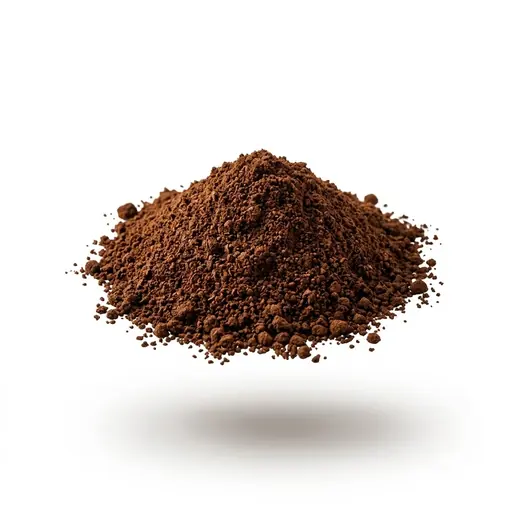
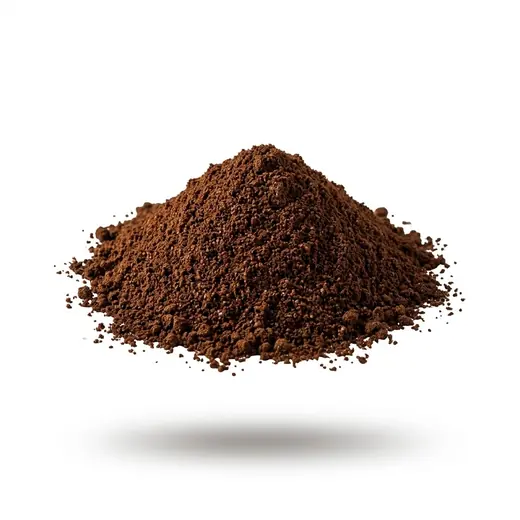
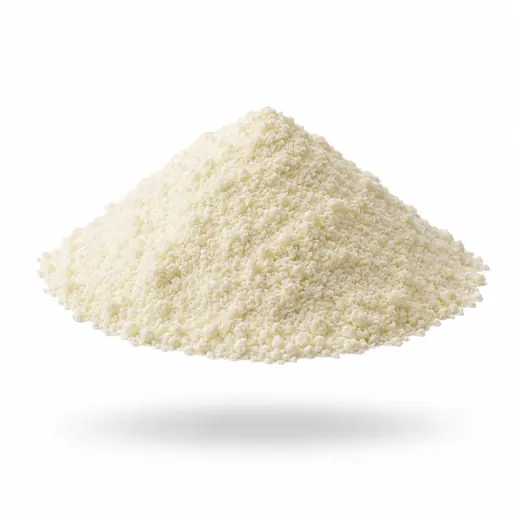
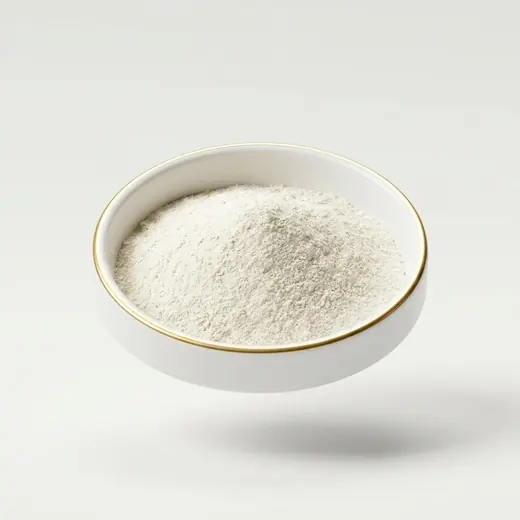
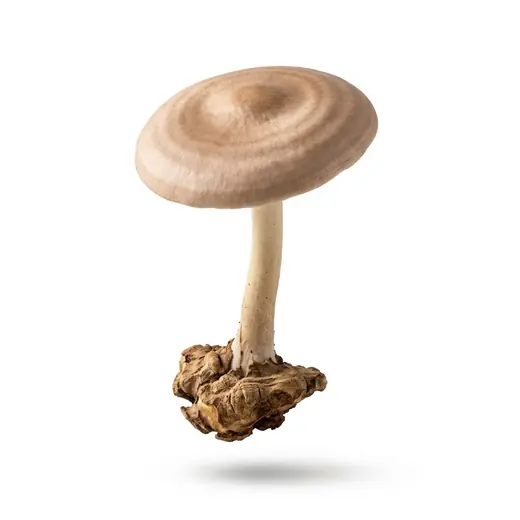
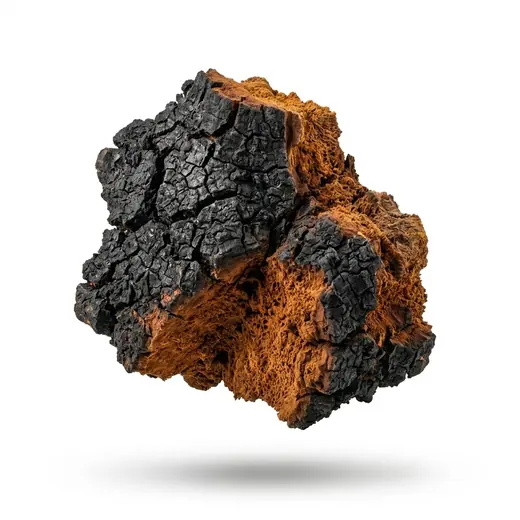
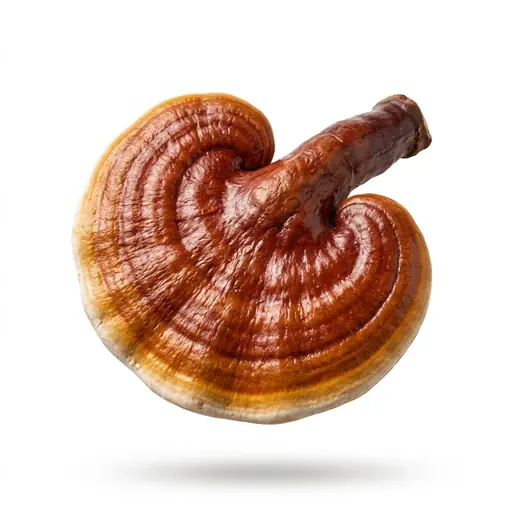
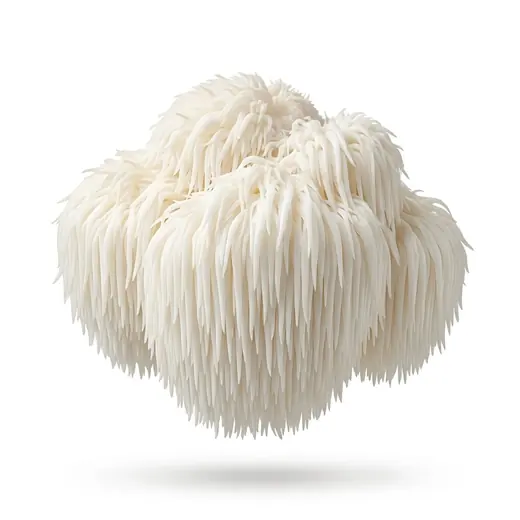
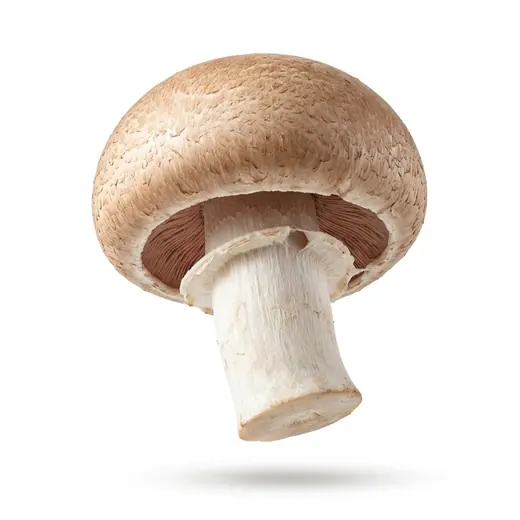
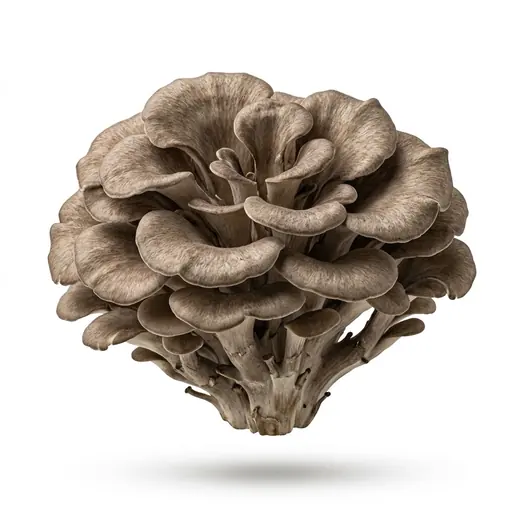
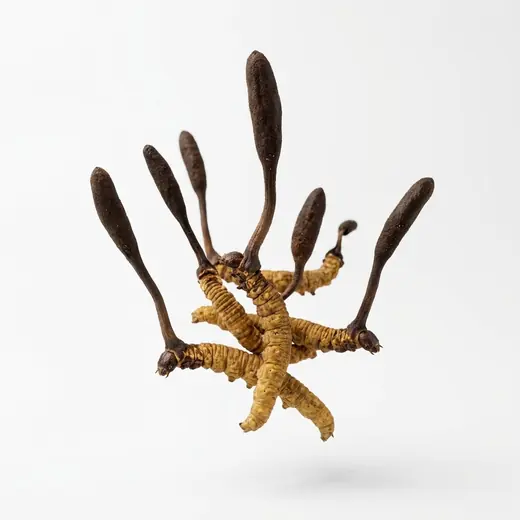
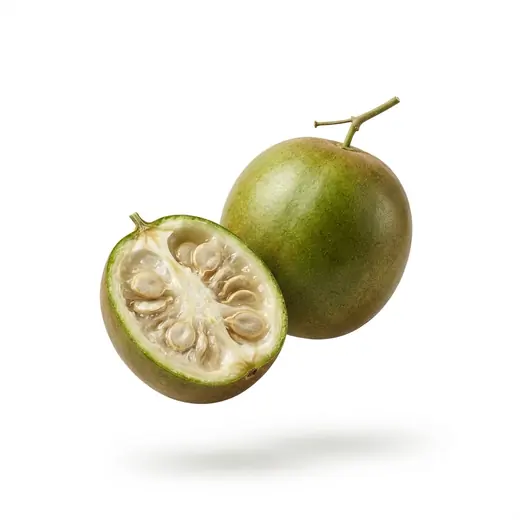
7 Mushrooms, 4,000 Years of Medicine, Each One a Weapon Against Modern Decline.
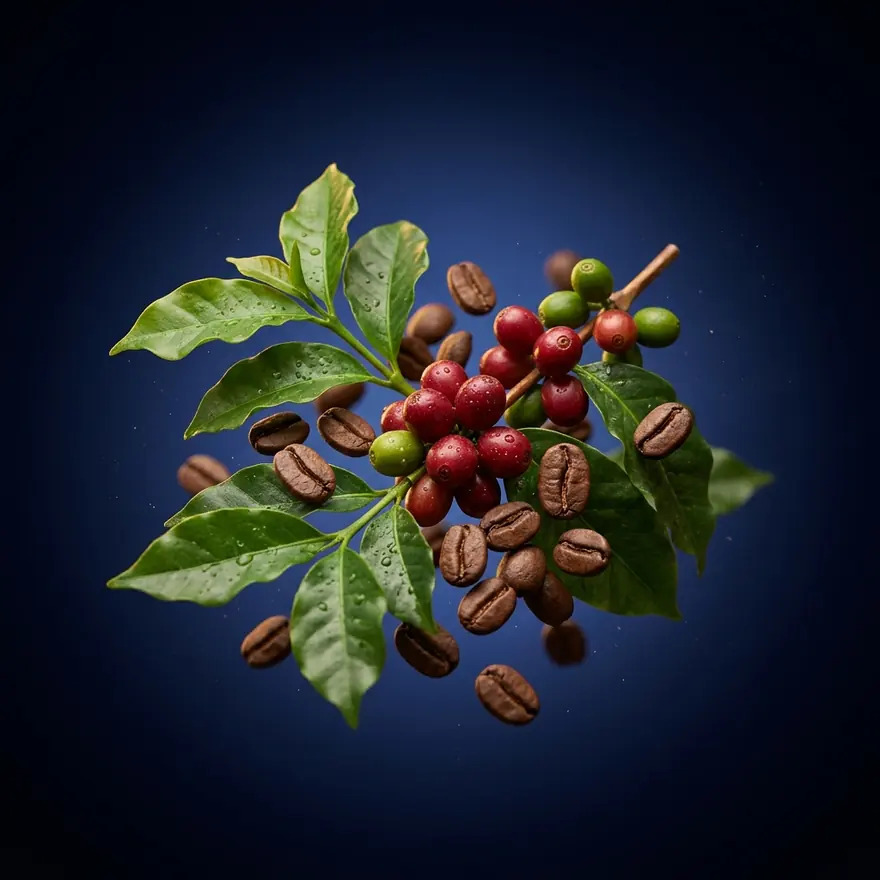
What it is
Coffea arabica — believed to be the oldest cultivated coffee species on Earth, originating from the highlands of Ethiopia. Arabica accounts for approximately 60% of global coffee production and is the variety prized by every premium specialty café in the world. Compared to Robusta, Arabica has lower caffeine but a vastly more complex flavor profile — floral, fruity, sweet, smooth — with a refined character impossible to replicate.
What it does to your body
Arabica delivers a smooth, sustained caffeine release alongside one of the highest concentrations of chlorogenic acids (a powerful class of polyphenol antioxidants) found in any food. Regular coffee consumption is associated with reduced risk of Type 2 diabetes, lower risk of liver cancer, improved cognitive function, faster metabolism, and protection against neurodegenerative diseases. Coffee polyphenols also support gut health and feed beneficial gut bacteria.
The crazy fact
Coffee was first discovered by an Ethiopian goat herder named Kaldi who noticed his goats becoming wildly energetic after eating red berries from a particular tree. He tried the berries himself, experienced the same effect, and brought them to a local monastery. The monks brewed them into a drink that kept them awake for long hours of prayer — and the global coffee culture was born. Every cup of Arabica you've ever drunk traces back to that single moment in the Ethiopian highlands.
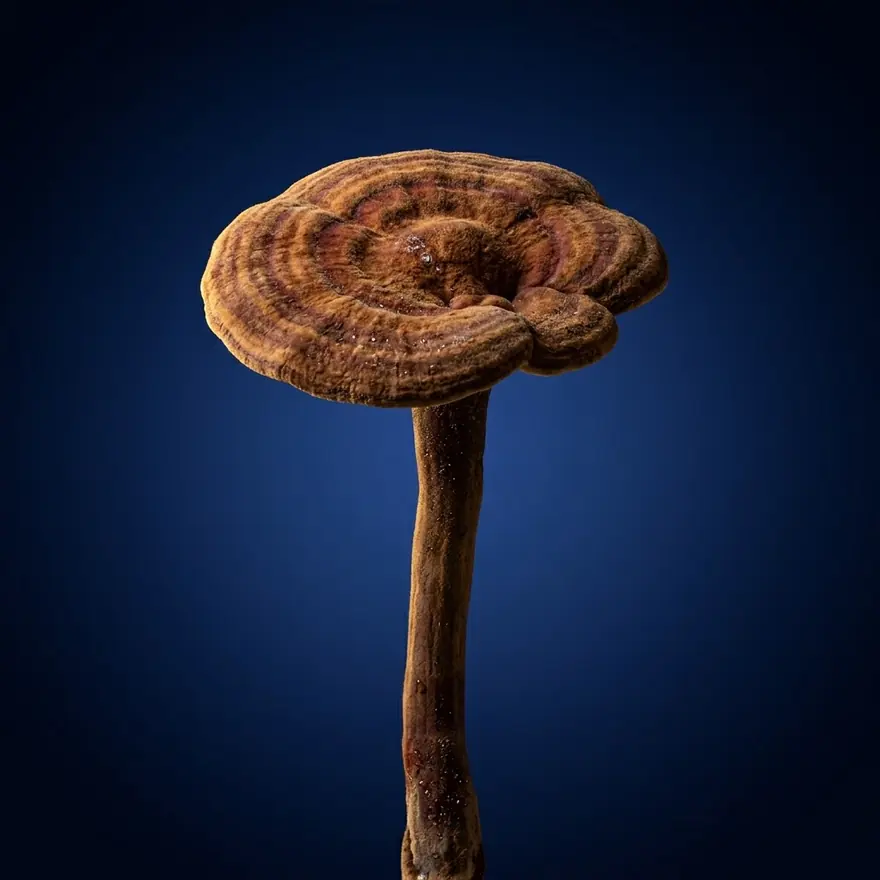
What it is
Lignosus rhinocerotis — one of the most legendary, most rare, and most distinctly Southeast Asian medicinal mushrooms in existence. According to Malaysian folklore, the Tiger Milk Mushroom grows only in spots where a tigress's milk has dripped onto the forest floor — making it nearly impossible to find. (The truth is slightly less mystical: it grows from a hard underground tuber, called a sclerotium, that takes years to mature, and the fruiting body only appears under extremely specific rainforest conditions.) The mushroom was documented in the famous Chinese medical text Bencao Gangmu (Compendium of Materia Medica) over 400 years ago, and indigenous Orang Asli tribes of the Malaysian rainforest have used it as a primary medicinal remedy for generations.
What it does to your body
Tiger Milk Mushroom is famed across Southeast Asian traditional medicine as the single most powerful natural remedy for respiratory and lung health. It is used to treat chronic cough, asthma, bronchitis, sinus inflammation, and pulmonary weakness. Modern clinical research at the University of Malaya and other Malaysian institutions has verified its anti-inflammatory effects on lung tissue and its measurable benefit in patients with respiratory conditions. Beyond the lungs, Tiger Milk supports immune function, accelerates wound healing, soothes joint pain, and aids digestion.
The clinical proof
— Multiple peer-reviewed Malaysian studies confirm anti-inflammatory effects in respiratory tissue — Clinical work demonstrates improved lung function and reduced respiratory symptoms in patients with chronic conditions — Polysaccharide content rivals other medicinal mushrooms for immune-modulating activity — Documented in TCM for 400+ years as a respiratory and immune tonic
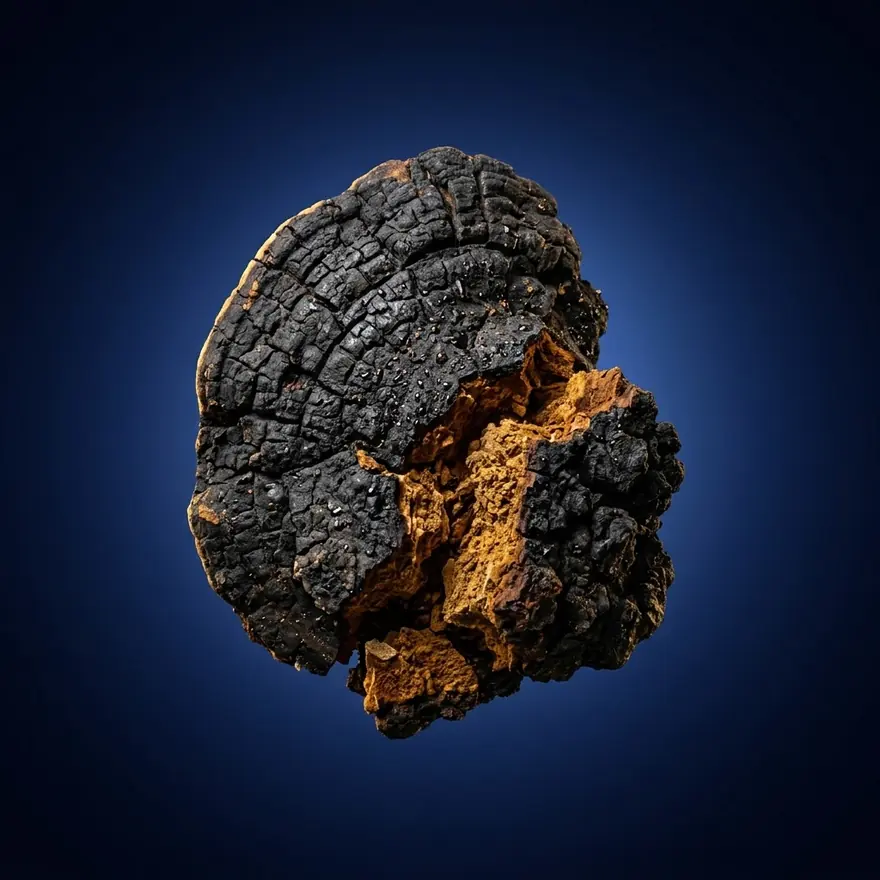
What it is
Inonotus obliquus — a parasitic fungus that grows on the trunks of birch trees in cold climates: Siberia, Northern Russia, Korea, Northern Canada, Alaska, and the Baltic states. Chaga doesn't look like a mushroom at all — it grows as a hard, black, charcoal-like mass on the side of birch trunks, slowly absorbing the tree's bioactive compounds (including betulinic acid from the bark) over 10–20 years of growth. Russian and Siberian folk healers have used Chaga for centuries — calling it the "King of Medicinal Mushrooms" and the "Gift from God."
What it does to your body
Chaga has one of the highest ORAC (Oxygen Radical Absorbance Capacity) scores ever measured — significantly higher than açai, blueberries, goji berries, or any commercial superfruit on the market. It is densely loaded with superoxide dismutase (SOD) — your body's most powerful internal antioxidant enzyme — at levels found in virtually no other natural source. Chaga's compounds neutralize free radicals, reduce systemic inflammation, support immune function, lower LDL cholesterol, and modulate blood sugar. It is also one of the few natural sources of melanin in supplement form — supporting skin and hair pigmentation health.
The crazy fact
During the brutal winters of WWII, Russian and Siberian peasants who couldn't access tea or coffee due to wartime shortages survived on Chaga tea — boiling shavings of the mushroom for hours into a dark, bitter brew they drank multiple times a day. Soviet researchers studying these communities noticed something extraordinary: cancer rates in Chaga-drinking villages were dramatically lower than in surrounding regions. The Soviet Ministry of Health funded formal Chaga research starting in the 1950s. The mushroom that kept Siberia alive through war, famine, and -40°C winters is now refined into your daily 7 Coffee sachet.
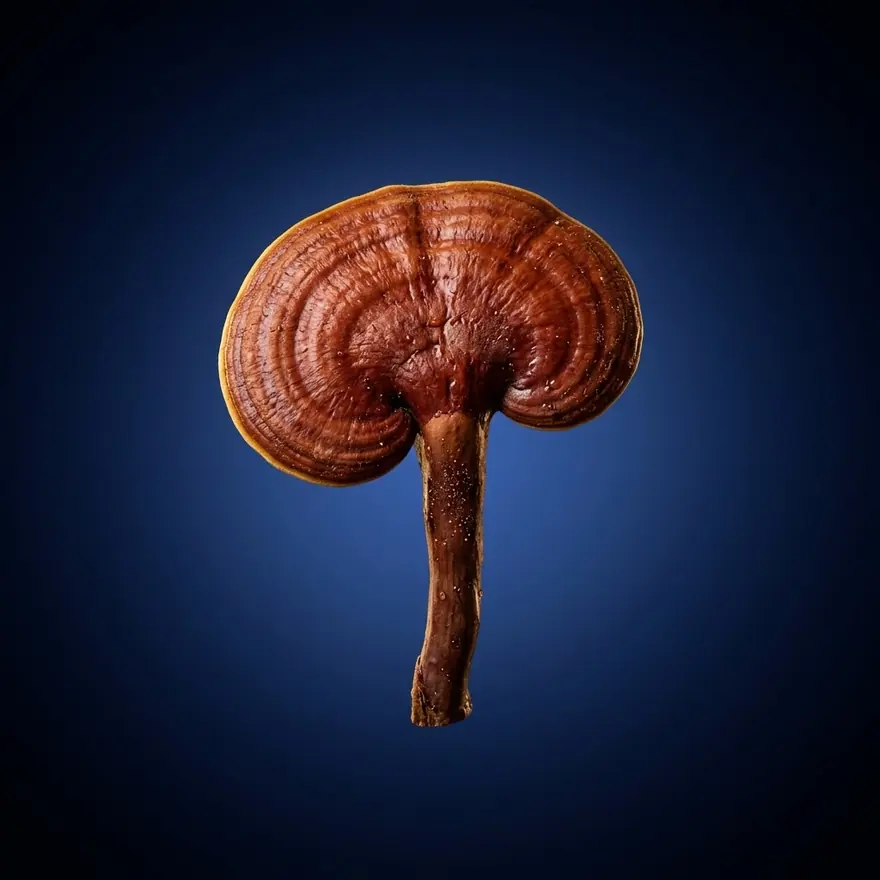
What it is
Ganoderma lucidum — known in Chinese as lingzhi ("spirit mushroom") and revered for over 2,000 years as the single most prestigious medicinal mushroom in Traditional Chinese Medicine. Reishi was so valuable in ancient China that it was reserved exclusively for emperors, royalty, and Taoist priests. Common citizens were forbidden from harvesting it under penalty of death. The mushroom is featured in the Shen Nong Ben Cao Jing (the foundational TCM text, c. 200 AD), where it is classified as a "superior herb" — one of only a small handful of substances in Chinese medicine designated for promoting long-term vitality and longevity rather than treating specific symptoms.
What it does to your body
Reishi is a master adaptogen — meaning it doesn't push your body in one direction; it helps your body return to homeostasis from whatever direction it's drifted. Its active compounds include triterpenes (especially ganoderic acids) and beta-glucan polysaccharides. These compounds simultaneously: modulate the immune system (boosting underactive immunity, calming overactive immunity), regulate cortisol and the stress response, protect liver tissue, lower elevated blood pressure, reduce LDL cholesterol, improve sleep quality, and reduce fatigue. The clinical and traditional evidence: — Used medicinally in China for 2,000+ years, documented in over a dozen classical medical texts — Modern research has identified 400+ bioactive compounds in Reishi — Clinical studies demonstrate immune-modulating effects via increased Natural Killer cell activity — Studies show measurable reductions in fatigue and depression scores after 8 weeks of supplementation — Liver-protective effects documented across multiple animal and human studies
The crazy fact
In Chinese mythology, Reishi was depicted in Imperial Palace artwork as the sacred mushroom held by deities and immortals. Emperor Qin Shi Huang (220 BC) — the same emperor who built the Great Wall and the Terracotta Army — sent a fleet of ships across the sea on a desperate mission to find Reishi and bring it back, believing it could grant him eternal life. The fleet never returned. The legend says they discovered Japan and stayed. Whether the legend is true or not, this single fact is real: an entire imperial expedition was launched in pursuit of the mushroom that's now in your daily coffee.
What it is
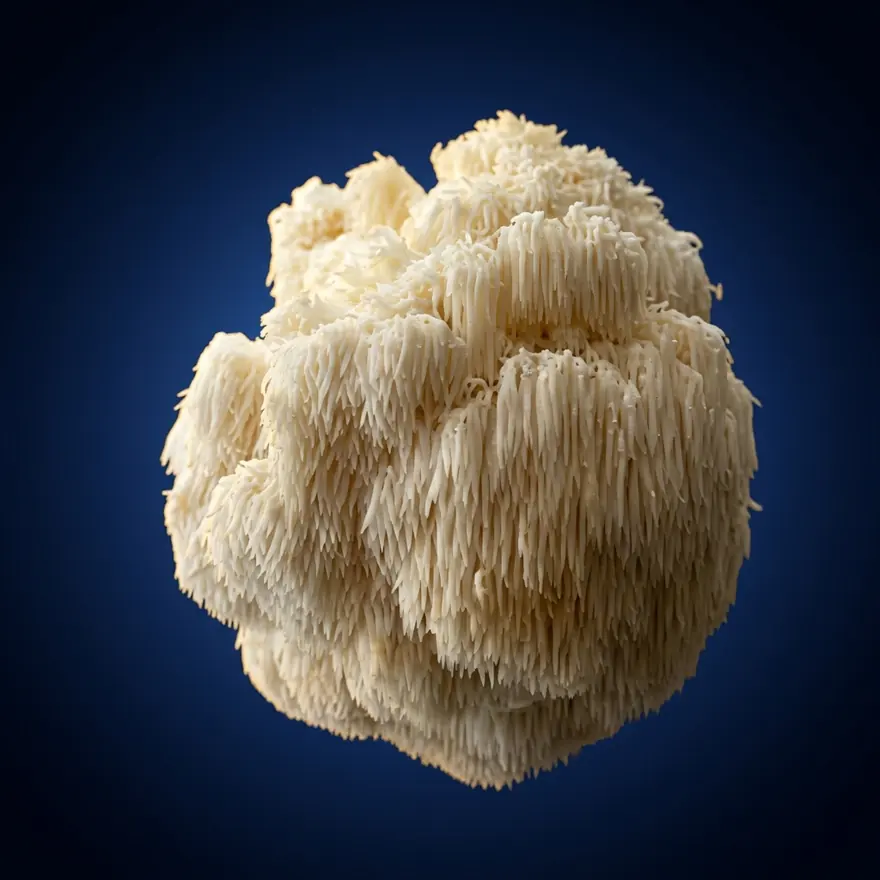
Hericium erinaceus — a snow-white, pom-pom-shaped mushroom that grows on the trunks of dying hardwood trees in temperate forests across Asia, Europe, and North America. Used as both food and medicine for over 1,000 years in Korean, Japanese, Chinese, and Indian traditions. Modern neuroscience now considers Lion's Mane one of the most exciting natural compounds in cognitive medicine.
What it does to your body
Lion's Mane is one of the only known natural substances that stimulates the production of Nerve Growth Factor (NGF) — the protein responsible for the survival, growth, and regeneration of neurons in your brain. Two specific compounds — hericenones (in the fruiting body) and erinacines (in the mycelium) — cross the blood-brain barrier and trigger NGF synthesis directly. This means Lion's Mane doesn't just protect your brain — it actively rebuilds it.
The clinical proof
In a randomized, double-blind, placebo-controlled trial published in Phytotherapy Research, 30 Japanese adults aged 50–80 with mild cognitive impairment took 3 grams of Lion's Mane daily for 16 weeks: — Significant cognitive improvement measured on the Hasegawa Dementia Scale-Revised — Cognitive scores improved progressively at weeks 8, 12, and 16 — Scores declined again 4 weeks after stopping — proving the cognitive benefits were active and ongoing — Additional studies demonstrate reduction in symptoms of anxiety and depression in adult populations
The crazy fact
In the Japanese tradition, Lion's Mane was historically reserved for Buddhist monks, who consumed it to enhance meditation focus and spiritual concentration. The mushroom's nickname in Japanese — Yamabushitake — literally means "mountain priest mushroom." Modern neuroimaging now suggests these monks may have been unknowingly using a natural neuro-regenerative compound to maintain razor-sharp cognitive function into extreme old age.
What it is
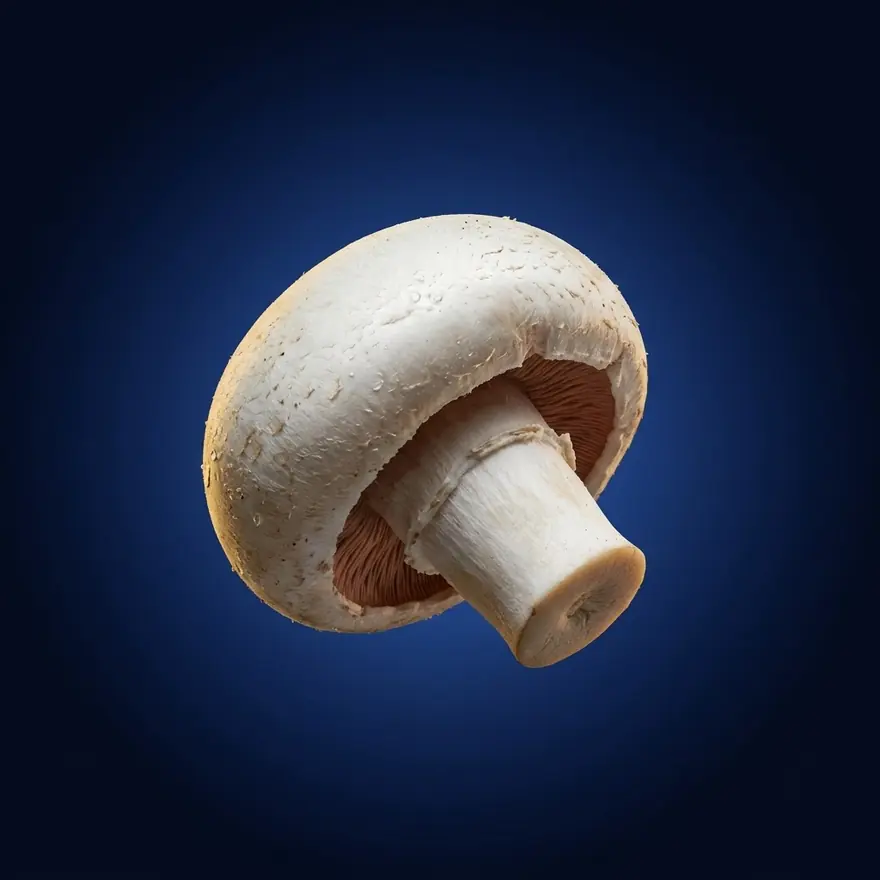
Agaricus blazei (also called Agaricus subrufescens ) — a tropical mushroom native to a small region near Piedade, São Paulo, Brazil. The story of its modern discovery is almost too cinematic to believe. In the 1960s, a Japanese-Brazilian researcher named Takatoshi Furumoto noticed that the elderly residents of Piedade lived dramatically longer than the surrounding population — with markedly lower rates of cancer, diabetes, atherosclerosis, and chronic disease. He discovered they were all eating wild Agaricus mushrooms as a daily food. Samples were sent to Japan for laboratory analysis. Within a decade, Agaricus blazei was being cultivated commercially in Japan, where it earned the nickname " The Mushroom of God " for its remarkable health-promoting properties.
What it does to your body
Agaricus is one of the richest natural sources of beta-glucans ever discovered — at concentrations significantly higher than most other medicinal mushrooms. These beta-glucans powerfully activate macrophages and Natural Killer cells, stimulating an aggressive immune response against pathogens, viruses, and abnormal cells. Agaricus has been formally studied for its effects on insulin resistance and Type 2 diabetes — reducing fasting blood glucose, improving HOMA-IR scores, and decreasing post-meal glucose spikes. It also supports cardiovascular health, fights chronic inflammation, and provides immune-modulating compounds rarely found together in a single food source.
The crazy fact
The Piedade longevity discovery was so remarkable that Japan — a country obsessed with longevity science — completely commercialized the mushroom and made it a regulated food therapy product. Japanese hospitals incorporated Agaricus extract into adjunct cancer-care protocols starting in the 1990s. A single small Brazilian village's daily food habit triggered an entire national health-product industry on the other side of the planet. And the same mushroom that turned an obscure São Paulo hamlet into a longevity legend is now mixed into your morning coffee.
What it is
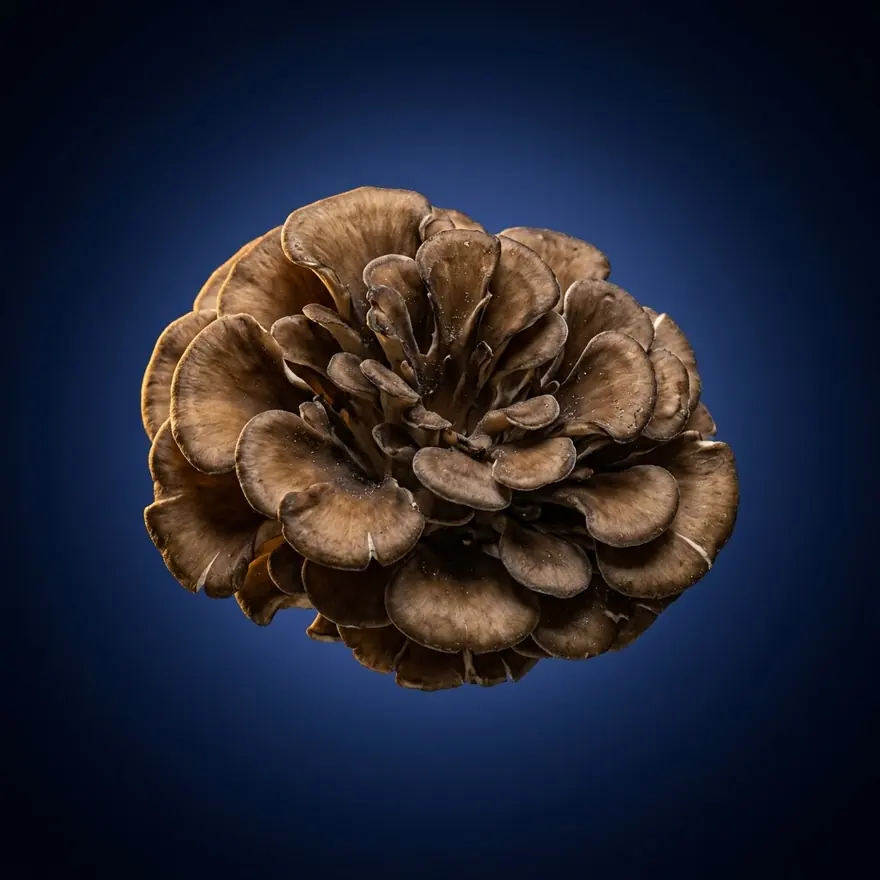
Grifola frondosa — known in Japanese as maitake, which translates to "the dancing mushroom." Legend has it that Japanese foragers would literally dance with joy upon finding one in the forest, because Maitake was so valuable in feudal Japan that it could be traded for its weight in silver. Feudal lords would issue rewards equivalent to a peasant's annual income for a single large Maitake fruiting body. Today, Maitake is one of the most extensively studied mushrooms in modern oncology and immunology research.
What it does to your body
Maitake's signature compound is the patented D-fraction beta-glucan — a complex polysaccharide that binds to receptors on immune cells (macrophages, Natural Killer cells, helper T-cells) and activates them at extraordinary intensity. This is not a vague "immune boost" — D-fraction has been formally researched for its potential to enhance the body's response against abnormal cells. Maitake also helps regulate blood sugar (improving insulin sensitivity), supports cardiovascular function, and provides a substantial dose of B vitamins, copper, potassium, and minerals. The clinical recognition: — Memorial Sloan Kettering Cancer Center has formally researched Maitake D-fraction's effects on immune function in cancer patients — Clinical studies show Maitake improves insulin sensitivity and lowers fasting blood glucose — Beta-glucan content directly activates the innate immune system through dectin-1 and TLR-2 receptor pathways — Used in approved adjunct therapy protocols in Japan since the 1980s
The crazy fact
A single Maitake mushroom in the wild can grow to weigh over 100 pounds (50 kg) at the base of an oak tree. That's larger than most dogs. The Japanese feudal value of Maitake was so high — and the mushroom so rare — that finding one was considered a once-in-a-lifetime fortune. The "dancing mushroom" wasn't a metaphor. People literally danced. The same mushroom that could rewrite a medieval Japanese family's financial future is now in your morning coffee.
What it is
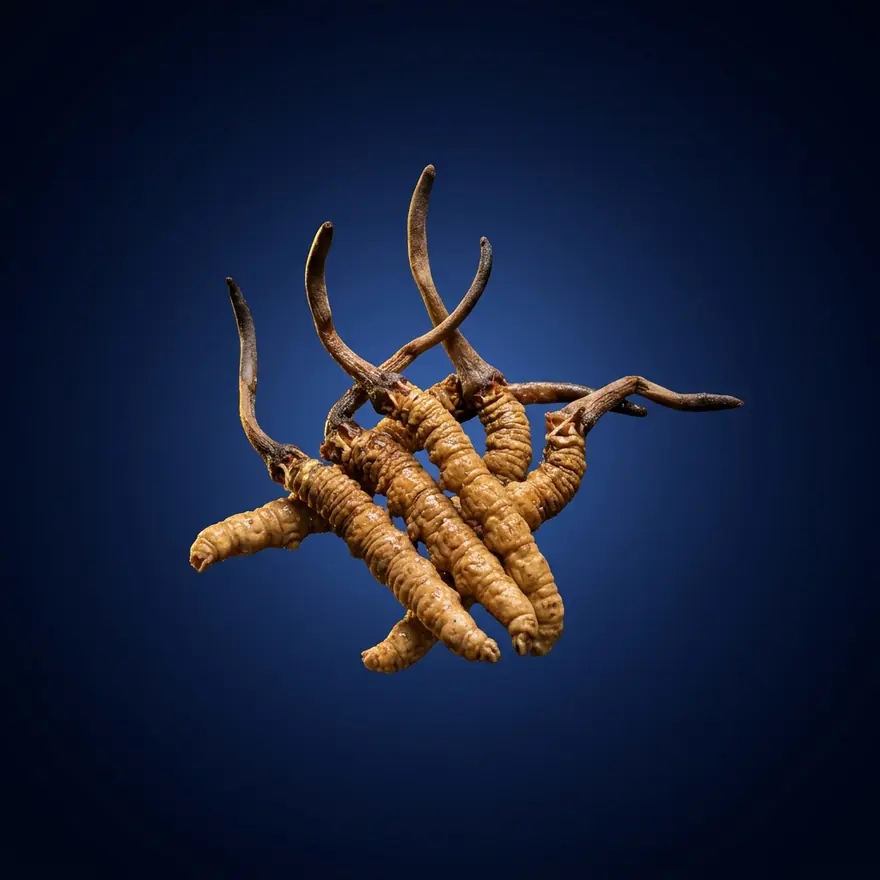
A parasitic fungus ( Ophiocordyceps sinensis ) that grows in extreme high-altitude conditions on the Tibetan Plateau (3,000–5,000 meters above sea level). Wild Cordyceps is one of the most expensive natural substances on Earth — fetching prices higher than gold per gram in some markets — because each mushroom takes years to grow and can only be hand-harvested in remote alpine regions. Modern cultivated Cordyceps (CS-4 strain) replicates the active compounds with full clinical equivalence.
What it does to your body
Cordyceps directly increases the production of adenosine triphosphate (ATP) — the energy molecule every cell in your body uses as fuel. It enhances oxygen utilization, improves VO₂ max, and increases mitochondrial efficiency. The active compound cordycepin has structural similarity to adenosine and inserts itself directly into your body's energy-generation pathways. The result: dramatically improved physical performance, faster recovery, and sustained mental + physical stamina that doesn't crash.
The clinical proof
and the famous Olympic moment: In 1993 at the Chinese National Games, coach Ma Junren's female long-distance runners broke NINE world records in a single year — including the women's 1,500m, 3,000m, and 10,000m records. When the international press asked how the team trained, Ma Junren credited two things: high-altitude training and daily Cordyceps tonic taken by every athlete. The story made global headlines. Western researchers began studying Cordyceps within months. Modern peer-reviewed trials confirm: — Cordyceps increases ATP production in skeletal muscle — Improves VO₂ max in healthy older adults (placebo-controlled trial) — Enhances exercise tolerance at high altitudes — Modern research (2024) confirms adaptogenic properties — the body's improved capacity to cope with physical and emotional stress
The crazy fact
Wild Cordyceps grows in only one way: a fungal spore infects a ghost moth caterpillar living underground in the Himalayas, slowly consumes it from the inside, and finally erupts as a mushroom from the caterpillar's head — a process that takes 4–5 years. Tibetan yak herders have hand-harvested this exact mushroom for over 1,500 years and credited it for their ability to live, work, and breathe at altitudes most humans can't survive at. The same biological compound that fuels Tibetan high-altitude endurance — and broke nine world records — is now in your morning cup.
What it is
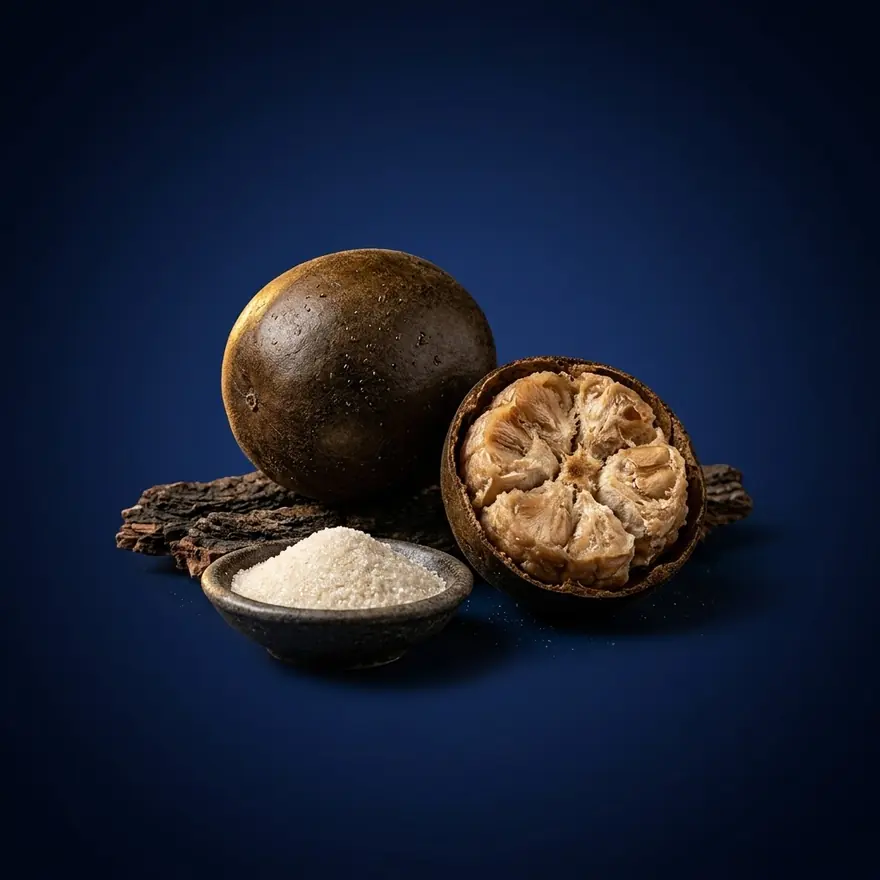
A natural sweetener extracted from Siraitia grosvenorii — known in Chinese as Luo Han Guo or "the monk fruit," a small round melon native to Southern China and Northern Thailand. The fruit gets its name from the Buddhist monks of Guangxi province who first cultivated it over 800 years ago in the misty mountains of Southwest China. Monk fruit's sweet compounds — called mogrosides — are 150–250 times sweeter than table sugar but contain zero calories and have zero impact on blood glucose.
What it does to your body
Monk fruit allows you to enjoy the full indulgent sweetness of a premium café drink without ANY of the metabolic damage that breaks down typical coffee drinkers' health. No insulin spike. No blood sugar crash. No 2pm slump. No weight gain. No risk of compounding daily sugar intake. Mogrosides also have measurable antioxidant and anti-inflammatory properties — meaning the sweetener itself adds health benefits rather than subtracting them.
The crazy fact
Monk fruit is so unusual in the natural world that it remained almost completely unknown outside Southwestern China for over 700 years — until modern food science finally figured out how to extract its mogrosides at scale in the 1990s. It's one of the only natural sweeteners on Earth that's safe for diabetics, ketogenic dieters, and anyone with insulin sensitivity issues. The same fruit that Buddhist monks used to sweeten their tea 800 years ago — sustainably, naturally, and without metabolic harm — is the exact same compound now sweetening every sachet of 7 Coffee.
What it is
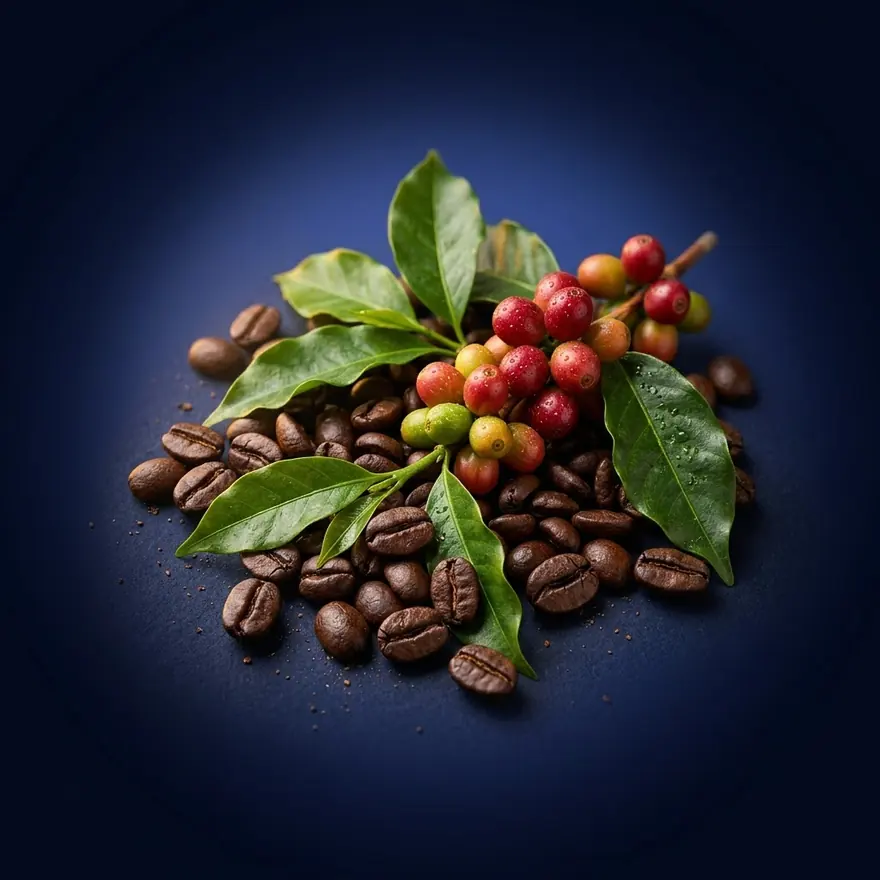
Coffea canephora — the bolder, stronger, more caffeinated cousin of Arabica. Robusta contains nearly twice the caffeine of Arabica beans, produces a thicker crema, and delivers a darker, more intense flavor that gives 7 Coffee its unmistakable kick. Combined with Arabica's smooth aromatic depth, Robusta is what turns a "nice cup" into a "morning weapon."
What it does to your body
Robusta's high caffeine content delivers immediate alertness, accelerated metabolism, increased fat oxidation, and sharper cognitive focus. Caffeine is one of the most extensively studied performance-enhancing substances in human history — used by elite athletes, military personnel, pilots, surgeons, and nearly every high-performer on Earth. Combined with Cordyceps' ATP boost, the Robusta in 7 Coffee delivers clean, sustained energy that doesn't crash. Why this blend? Robusta provides strength and energy. Arabica adds smoothness and aroma. Together, they create a flavor profile that pairs perfectly with the natural earthiness of the 7-mushroom complex. The mushrooms don't fight the coffee — they elevate it. The result is a richer, fuller, more complex cup than ordinary coffee could ever deliver. Coffee Strength: 7/10 Rich roasted aroma · Smooth balanced flavor · Naturally sweet undertones · No bitter aftertaste
The complete 7 Coffee formula — 12 ingredients, nothing hidden.
Take 1 sachet every morning — ideally with breakfast or before starting your workday.
Mix with 150–200ml of hot water (not boiling — keep at ~80°C / 175°F to preserve heat-sensitive mushroom compounds). Stir thoroughly until smooth and aromatic.
For an iced 7 Coffee: dissolve in 100ml of hot water first, then pour over ice and add cold water or plant-based milk to taste.
For optimal results, drink consistently every morning. The medicinal mushroom compounds are cumulative — they build up in your system over time, producing stronger and stronger benefits with each passing week.
Make it the one with seven mushrooms on staff.
Cordyceps for energy, Lion's Mane for the mind, Reishi, Chaga, Maitake, Agaricus and Tiger Milk covering the rest — in a cup that tastes like an upgrade because it is one. The testimonials agree. Switch your morning to 7 Coffee.
Get 7 Coffee now →