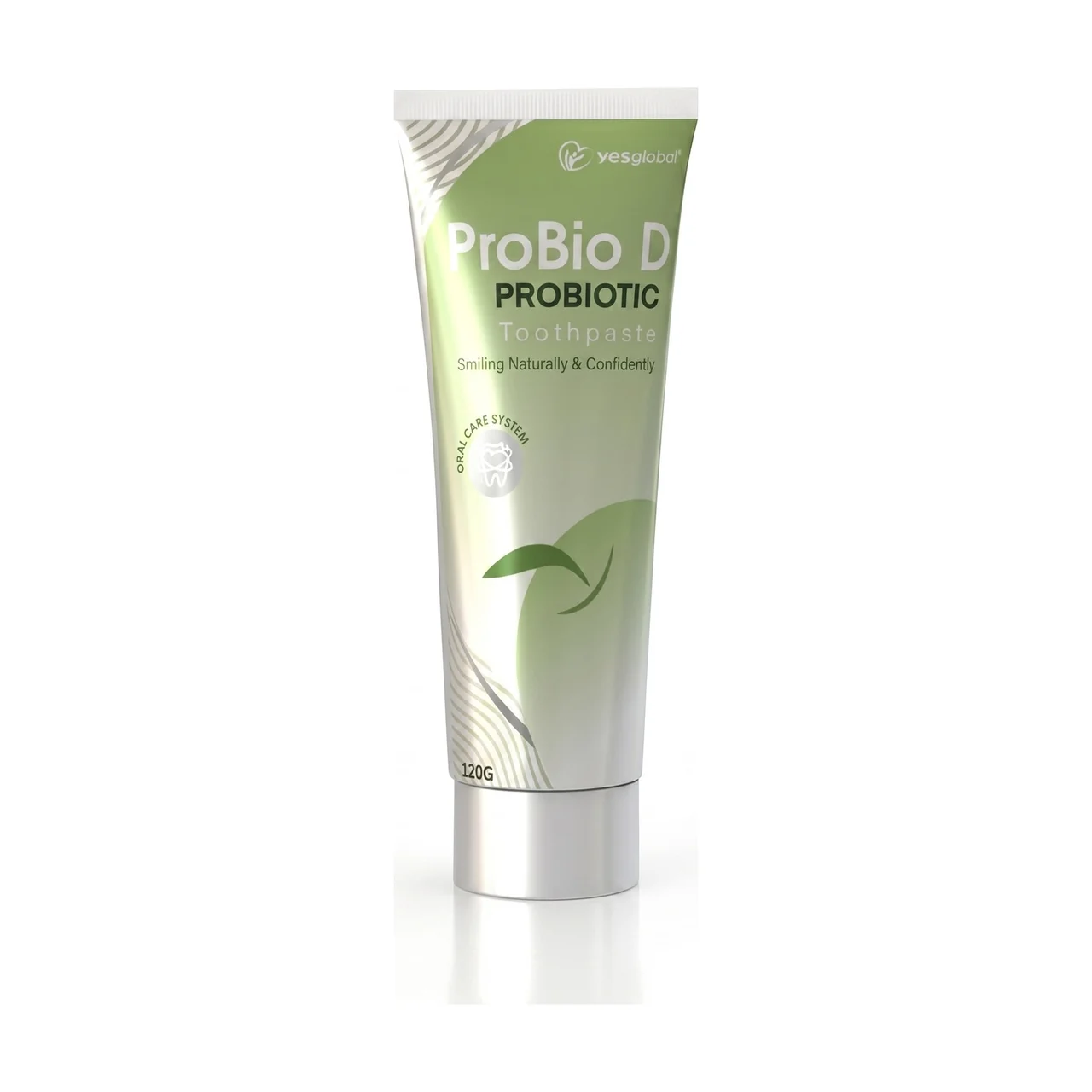
Plantaricin A helps go after the specific bacteria behind cavities — defense exactly where it matters.
Calcium carbonate helps support and strengthen your teeth's natural armor, brush by brush.
ProBio D helps disrupt the sticky film early — before it hardens into a dentist's lecture.
Instead of perfuming the problem, this helps address the bacteria causing it. Permanently fresher logic.
Potassium chloride helps calm sensitive teeth — so cold water goes back to being refreshing.
Bletilla and green tea extract help inflamed gums find their way back to calm and pink.
Free of the harsh extras — safe for the whole household, including its most sensitive members.
Two minutes of video beats an hour of reading — see ProBio D for yourself, then decide.
8 Ingredients. Zero Filler. Each One a Weapon Against Oral Disease.

What it is
Extract from the tuber of Bletilla striata, a hardy purple-flowered orchid native to China, Japan, and Korea. In Traditional Chinese Medicine, where it's known as "Bai Ji" (白及), Bletilla has been used for over 1,500 years as a premier healing herb for wounds, hemorrhages, ulcers, and inflamed mucous membranes. It's documented in the Shen Nong Ben Cao Jing — one of the foundational texts of Chinese pharmacology, dating back to the Han Dynasty.
What it does to your body
Bletilla striata is rich in bletilla polysaccharides — a group of complex carbohydrates that form a thin, protective gel-like film over inflamed or damaged tissue. In your mouth, this means: when your gums are inflamed, swollen, or bleeding from periodontal stress, Bletilla polysaccharides physically coat and seal the damaged tissue while simultaneously delivering anti-inflammatory and tissue-regenerating compounds to the cells beneath. Modern pharmacological research has confirmed that Bletilla extracts possess hemostatic (bleeding-stopping), wound-healing, and antimicrobial properties — exactly the trifecta you need for inflamed, bleeding gums.
The crazy fact
Bletilla striata is so effective at stopping bleeding that traditional Chinese physicians used it for centuries to treat internal hemorrhages, ulcers, and battle wounds — and modern pharmaceutical researchers are now studying Bletilla polysaccharides as the basis for next-generation surgical hemostats and tissue scaffolds. A flowering orchid that ancient Chinese healers used to stop battle wounds from bleeding — now working on your gums every time you brush. Few toothpastes on the market contain it. ProBio D made it core to the formula.
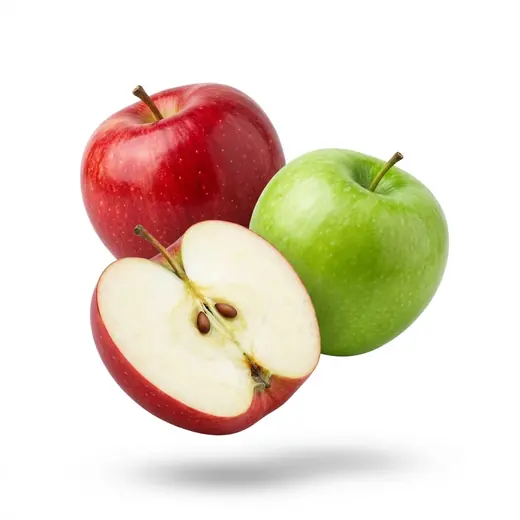
What it is
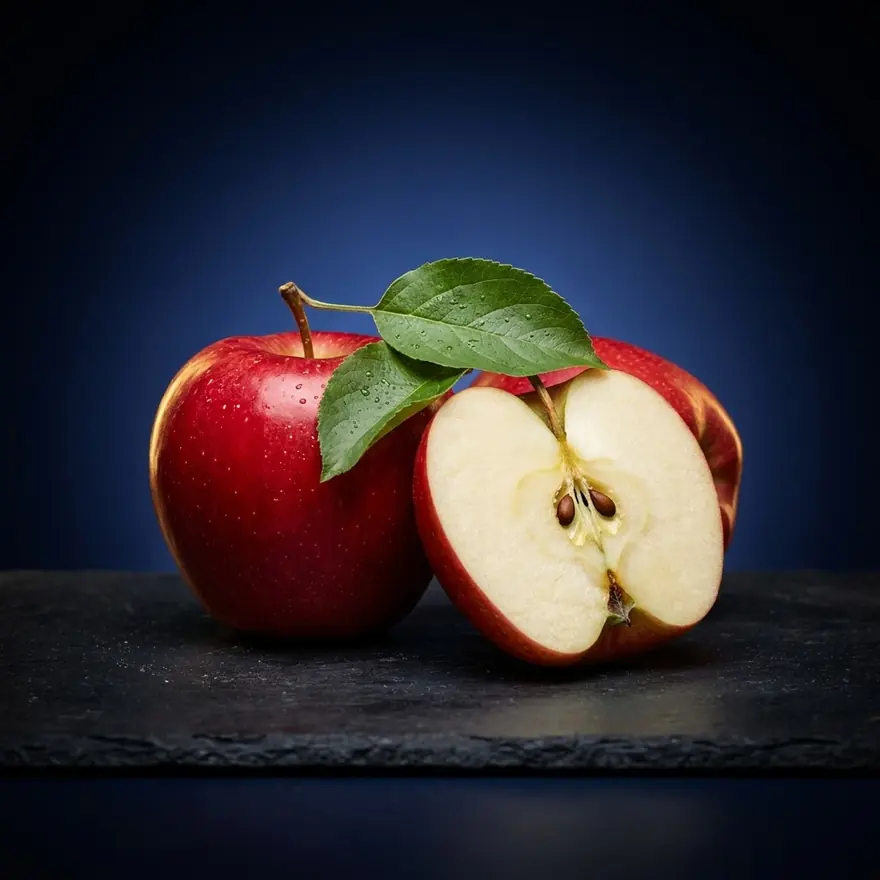
A concentrated extract derived from the peel and pulp of Malus pumila — the common apple tree. Apples have been cultivated for over 4,000 years, and modern phytochemistry has revealed why "an apple a day" became universal folk wisdom: apple extracts are extraordinarily rich in polyphenols, including phloretin, chlorogenic acid, catechins, and quercetin — a quartet of bioactive compounds with potent antioxidant, anti-inflammatory, and antimicrobial activities.
What it does to your body
In your oral environment, Malus Pumila extract delivers four simultaneous benefits. (1) Anti-cariogenic activity: Its polyphenols inhibit the metabolism of cavity-causing bacteria, particularly Streptococcus mutans, reducing acid production at the source. (2) Antimicrobial action: Phloretin and quercetin disrupt bacterial cell membranes and inhibit pathogen colonization on tooth surfaces. (3) Breath freshening: Apple polyphenols neutralize volatile sulfur compounds — the molecules that cause bad breath — while suppressing the bacteria that produce them. (4) Plaque reduction: By interfering with bacterial adhesion to enamel, apple extract physically prevents plaque from anchoring to your teeth in the first place.
The crazy fact
The same polyphenol family that makes red apples turn brown when you cut them open (a process called enzymatic oxidation) is what makes apple extract such a potent oxidative defense system inside your mouth. The compound that causes the visible browning isn't a flaw — it's the apple's own antioxidant defense system being released. ProBio D harnesses that same defense system and deploys it against the oxidative damage that ages your gums and stains your teeth.

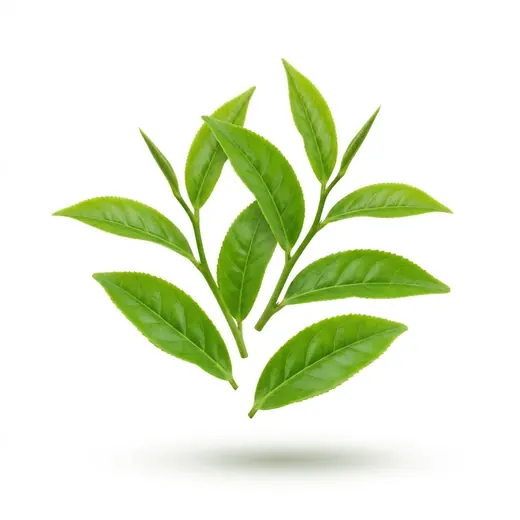
What it is
Extract from the unfermented leaves of Camellia sinensis — the same plant that produces green, black, white, and oolong tea. Green tea has been consumed in East Asia for over 4,000 years, and modern science has identified the source of its legendary health benefits: a class of polyphenols called catechins, with epigallocatechin gallate (EGCG) being the most potent. EGCG is now one of the most extensively studied natural compounds in modern nutrition science, with thousands of peer-reviewed papers documenting its effects.
What it does to your body
In your mouth, green tea catechins wage a multi-front war on oral disease. EGCG directly inhibits the growth and acid production of Streptococcus mutans — the primary cavity-causing bacterium. Catechins simultaneously suppress the bacteria responsible for bad breath while chemically neutralizing the volatile sulfur compounds those bacteria produce — meaning ProBio D doesn't mask bad breath, it eliminates the molecular source. Green tea polyphenols also reduce gum inflammation, scavenge free radicals that damage gum tissue, and strengthen the antioxidant defense layer that protects your enamel from oxidative wear.
The crazy fact
Studies have shown that regular green tea consumption is associated with measurably lower rates of periodontal disease, tooth loss, and oral cancer in populations across Asia. Researchers now consider EGCG one of the most promising natural compounds in dental therapy. ProBio D delivers concentrated green tea catechin power directly to your teeth and gums every time you brush — no need to drink 10 cups of tea a day to get the benefit.
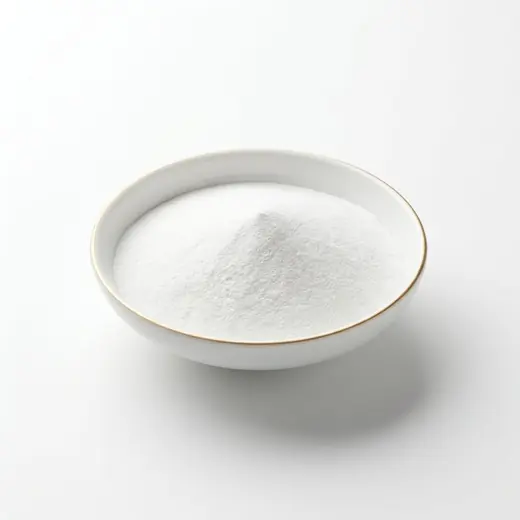
What it is
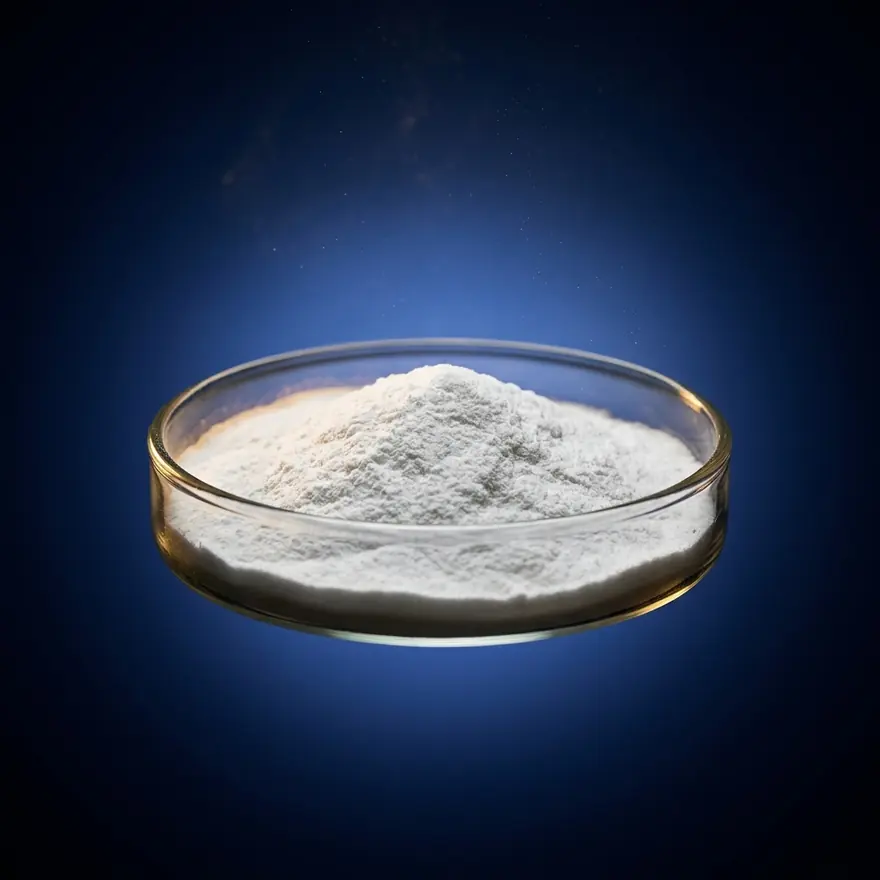
Sodium bicarbonate — also known as baking soda — is one of the simplest and most studied compounds in chemistry. It has been used in oral care for over 150 years, and its mechanism is so effective that even modern dental researchers continue to publish studies confirming its benefits.
What it does to your body
Sodium bicarbonate is alkaline. The moment it enters your mouth, it raises the pH — neutralizing the acidic environment that bacteria thrive in and that dissolves your enamel. Cavities form when oral pH drops below 5.5. Sodium bicarbonate pushes pH back into the safe range, halting demineralization in real time. It also provides extremely gentle physical cleaning action, lifting stains and debris without scratching enamel — and it has natural antibacterial activity that further suppresses the growth of acid-producing pathogens.
The crazy fact
A 2017 systematic review in the Journal of the American Dental Association analyzed multiple clinical studies and concluded that sodium bicarbonate-based toothpastes were measurably more effective at plaque removal than non-bicarbonate alternatives. A compound your grandmother had in her pantry for baking — outperforming high-tech "advanced cleaning" formulas in head-to-head clinical trials. Sometimes the oldest tools really are the sharpest.

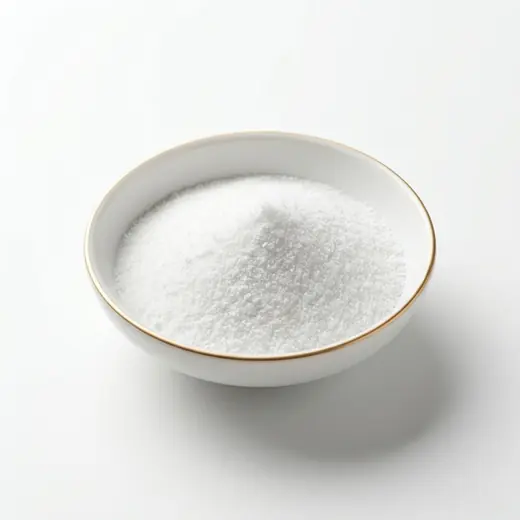
What it is
Calcium carbonate is the same mineral compound that forms eggshells, seashells, coral reefs, and the white cliffs of Dover. In oral care, it functions as both a mild polishing agent AND a calcium source — making it one of the few ingredients that simultaneously cleans your teeth and feeds them.
The crazy fact
Hydroxyapatite — the mineral your enamel is made of — is one of the hardest biological materials on Earth. It's harder than steel by some measures. But it's also constantly under attack from acid every single day. The reason most people lose enamel as they age isn't because their teeth are weak — it's because they're not actively replenishing the calcium that gets stripped during normal eating and drinking. ProBio D fixes that.
What it is
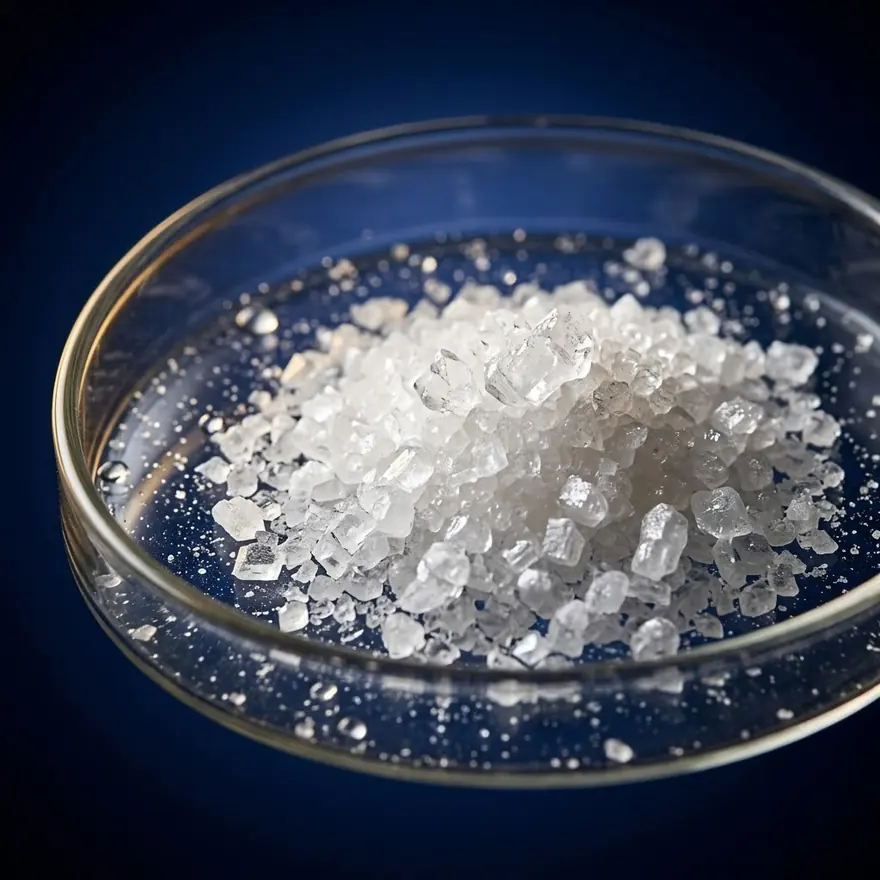
Potassium chloride is a naturally occurring mineral salt composed of potassium and chloride ions. It is the active desensitizing ingredient in clinical-grade sensitivity toothpastes — the same compound that makes Sensodyne, Colgate Sensitive, and prescription desensitizers actually work.
What it does to your body
When the protective enamel covering your teeth wears down — or when your gums recede — the underlying dentin becomes exposed. Dentin is full of microscopic tubules that transmit sensations directly to the nerve inside your tooth. Cold drinks, hot food, sweet treats, even cold air all trigger sharp, stabbing pain. Potassium ions from potassium chloride enter these dentinal tubules and chemically depolarize the nerve endings — preventing the pain signals from being transmitted to your brain. With consistent use over 2 to 4 weeks, the sensitivity doesn't just temporarily dull — it disappears entirely.
The crazy fact
Potassium chloride is the exact mechanism that makes prescription-grade desensitizing toothpastes work. Dentists have been recommending these formulas for decades — but most "natural" toothpastes leave them out, forcing sensitive patients to choose between effective sensitivity relief and clean ingredients. ProBio D refused that compromise. You get clinical-grade sensitivity treatment AND a clean ingredient list. No trade-off.
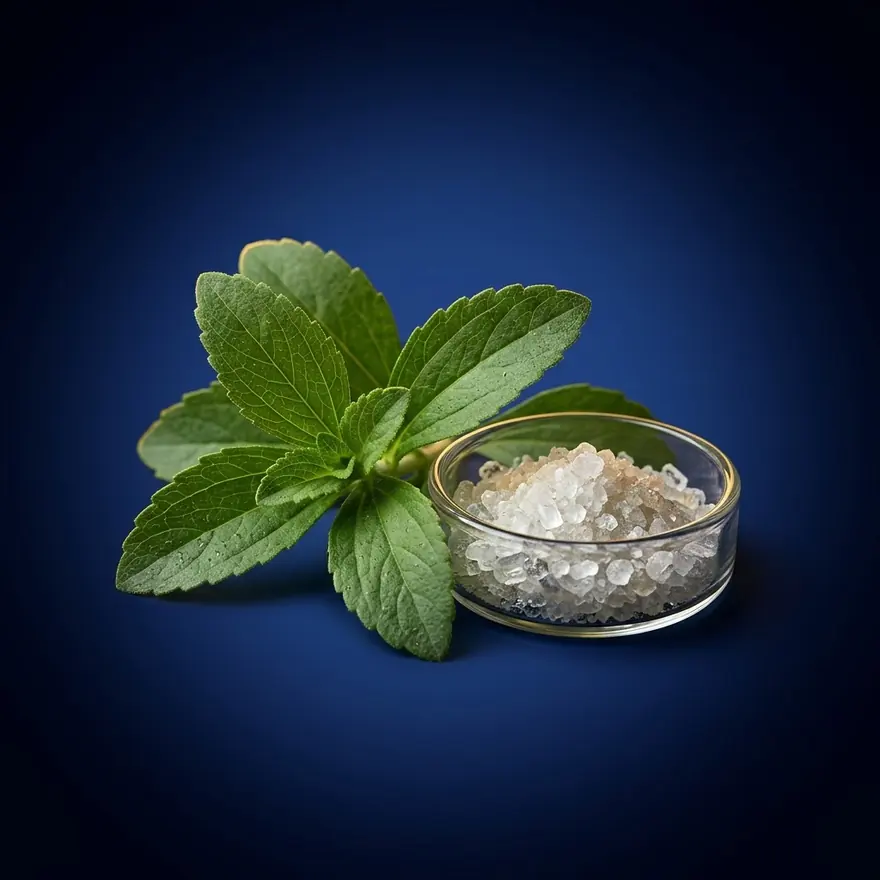
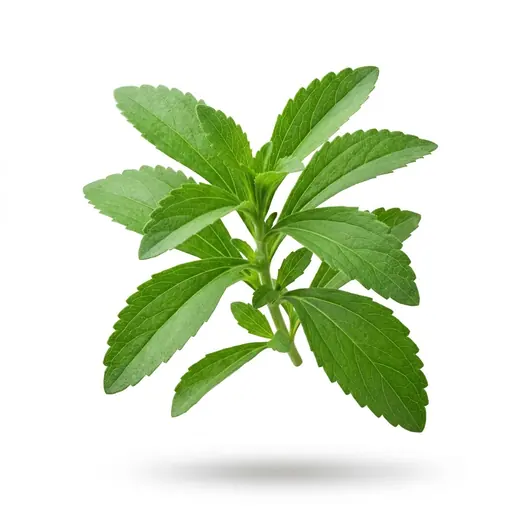
What it is
A natural extract from the leaves of the Stevia rebaudiana plant — a small herb native to South America that has been used as a natural sweetener by the Guaraní people for over 1,500 years. Stevia is up to 300 times sweeter than sugar, contains zero calories, and — critically for oral care — is completely non-cariogenic.
What it does to your body
Conventional toothpastes use saccharin, aspartame, or sorbitol to provide sweetness. These artificial sweeteners not only carry health concerns (saccharin and aspartame have been controversially linked to gut microbiome disruption when accidentally swallowed) but also fail to deliver any oral health benefit. Stevia is fundamentally different. The bacteria that cause cavities cannot metabolize stevia compounds — meaning stevia provides pleasant sweetness without feeding the pathogens that destroy your teeth. Some research even suggests stevia compounds may have mild antimicrobial activity against oral bacteria, making it a sweetener that actively contributes to a healthier oral environment.
The crazy fact
Stevia leaves are so naturally sweet that the Guaraní people called the plant "ka'a he'ê" — meaning "sweet herb" — and used it for centuries to sweeten traditional teas and medicinal preparations. Modern food science took 400 years to catch up to what indigenous South Americans figured out in their gardens. Now that same plant gives ProBio D its pleasant taste — without a single molecule of artificial sweetener.
The complete ProBio D formula — 8 ingredients, nothing hidden.
The toothpaste industry has been selling you the same chemistry for 100 years. Foam from synthetic detergents. Whitening from harsh peroxides. Sweetness from saccharin. Cavity protection from a single molecule that works only on the surface.
Meanwhile, 42% of American adults still have periodontal disease. Tooth sensitivity is an epidemic. Bad breath plagues millions despite billions spent on mouthwash.
Something is broken. And it's not your teeth — it's the formula.
ProBio D helps make those four minutes count.
Probiotic defense, enamel support, gum care and genuinely fresh breath — in the habit you already have. The testimonials say people wake up to a noticeably different mouth. Switch tonight; smile about it tomorrow. Get ProBio D.
Get ProBio D now →