


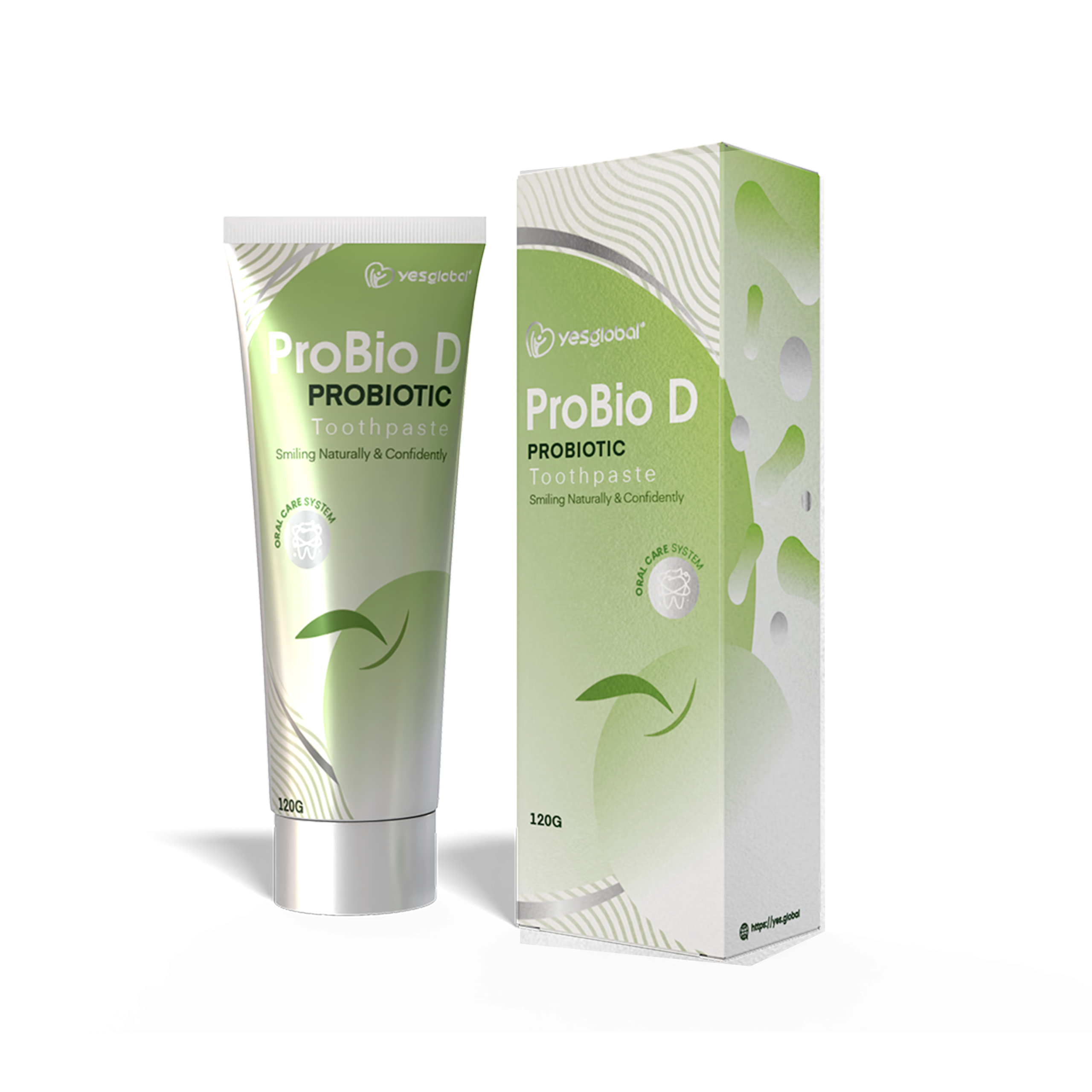
ProBio D
Smiling Naturally and Confidently
Annihilate Bacteria. Rebuild Your Enamel. Reclaim a Smile That Owns the Room.
Right now, while you're reading this, an invisible war is happening inside your mouth.
Trillions of bacteria are colonizing your gums. Acid is dissolving the enamel that protects your teeth. Plaque is hardening into tartar. The pink, healthy gum tissue you were born with is silently retreating — exposing nerve endings, weakening tooth roots, and setting the stage for cavities, sensitivity, bad breath, and tooth loss.
42% of American adults over 30 already have periodontal disease. 7.8% have it severely. And here's what most dentists won't tell you: poor gum health isn't just a mouth problem — it's directly linked to heart disease, diabetes, and systemic inflammation throughout your entire body.
The toothpaste sitting on your bathroom counter? It's playing defense with fluoride and synthetic detergents while the war rages on.
ProBio D by Yes Global is a complete oral care revolution — a probiotic-powered, plant-fueled, clinically inspired toothpaste built around Plantaricin A, a Nobel-grade antimicrobial peptide produced by probiotic bacteria that doesn't just suppress oral pathogens — it annihilates them while leaving your beneficial oral flora untouched. Combined with Bletilla Striata (a 1,500-year-old Chinese healing botanical), green tea catechins, apple stem cell antioxidants, and a remineralization complex that rebuilds enamel from the molecular level up — ProBio D doesn't fight tooth decay.
It ends the war.
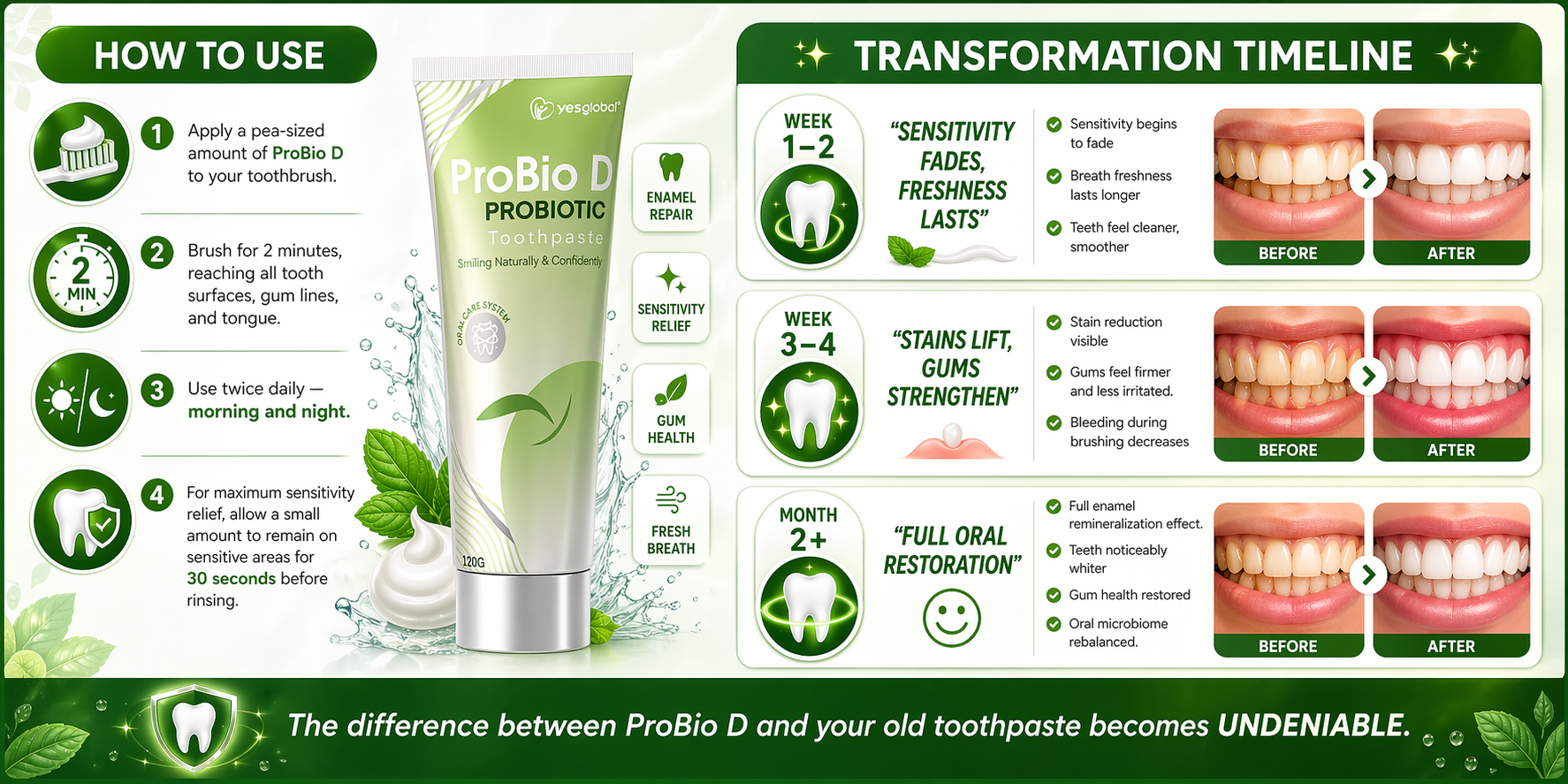
One brush. Twice a day. A completely different mouth in 30 days.
Major Ingredients
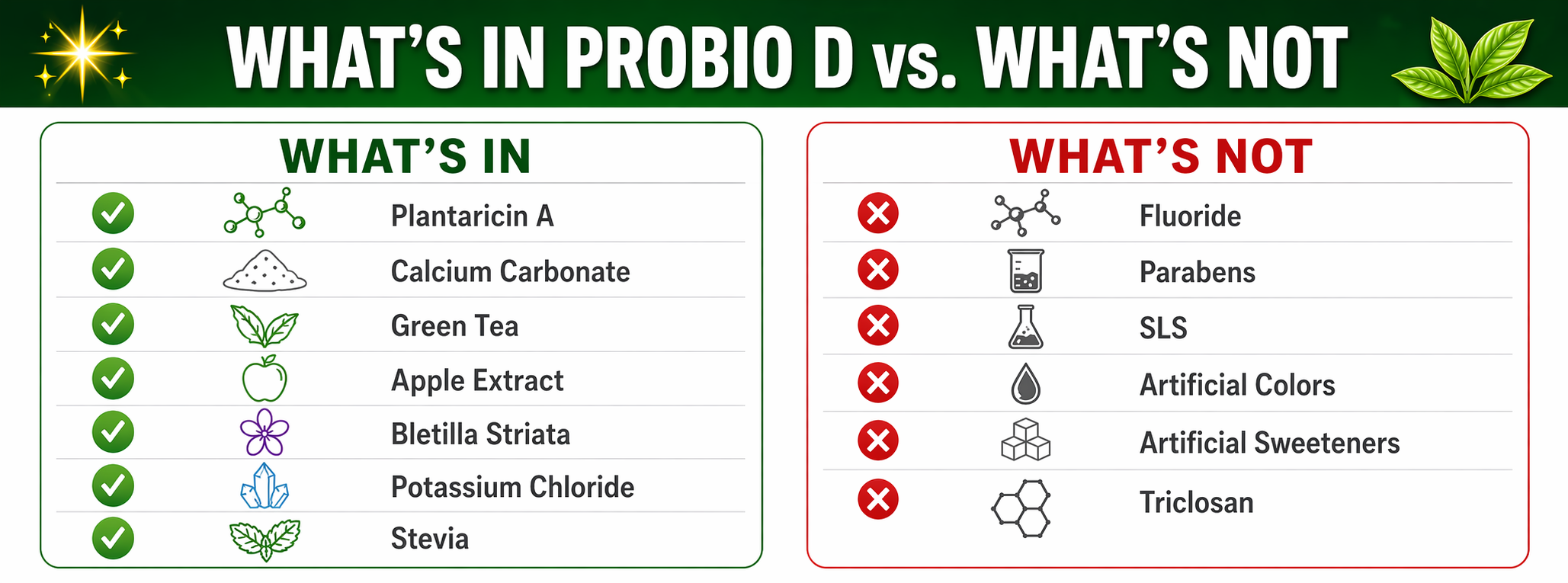
Plantaricin A · Bletilla Striata Extract · Malus Pumila (Apple) Extract · Camellia Sinensis (Green Tea Leaf Extract) · Sodium Bicarbonate · Calcium Carbonate · Hydrated Silica · Potassium Chloride · Stevia Rebaudiana Extract Powder
Specifications
- 120g per tube Probiotic-derived antimicrobial peptide
- Manufactured in a GMP-certified facility
- Free of SLS, parabens, artificial sweeteners, synthetic preservatives, and harsh whitening agents
Benefits of ProBio D - The 7 Transformations
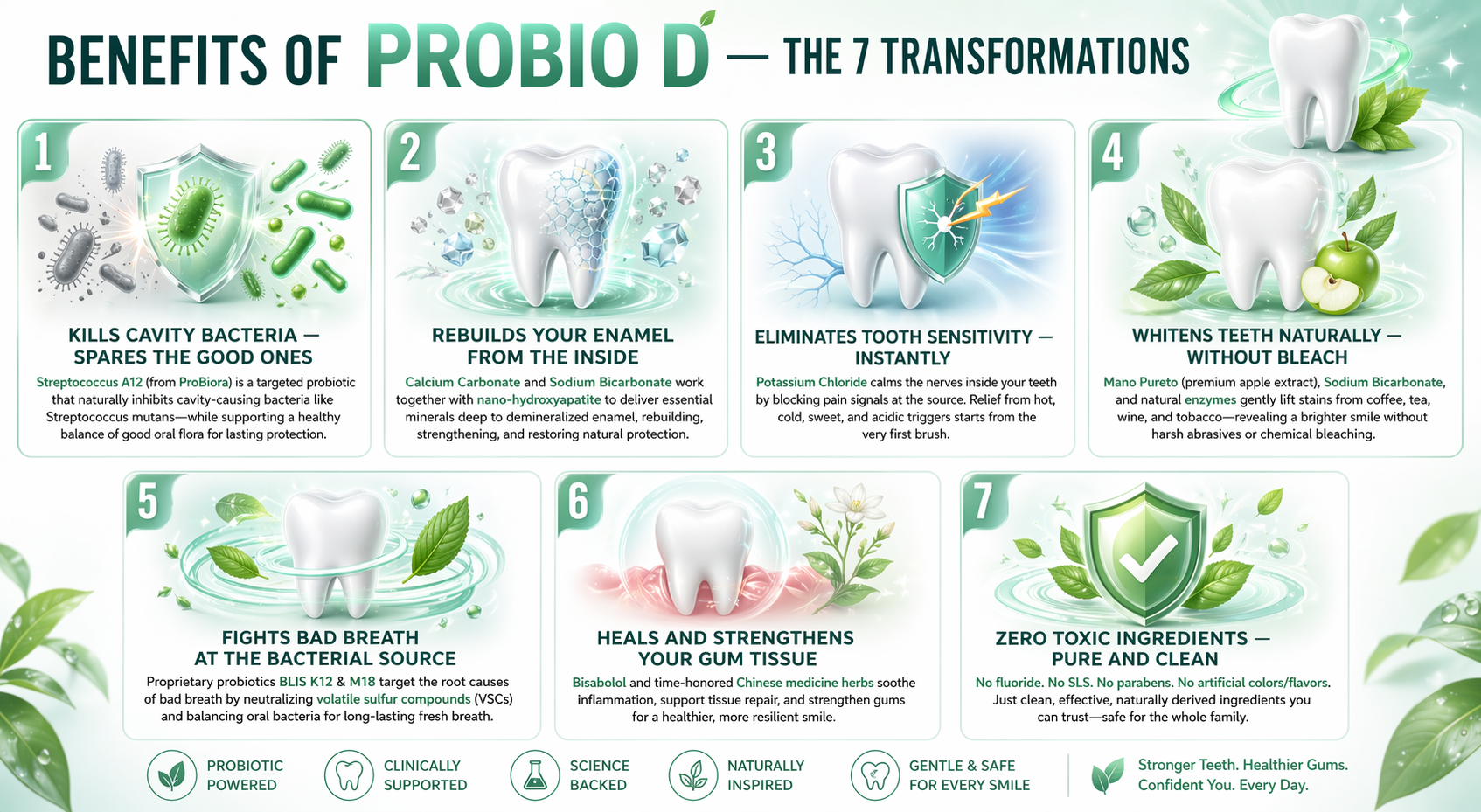
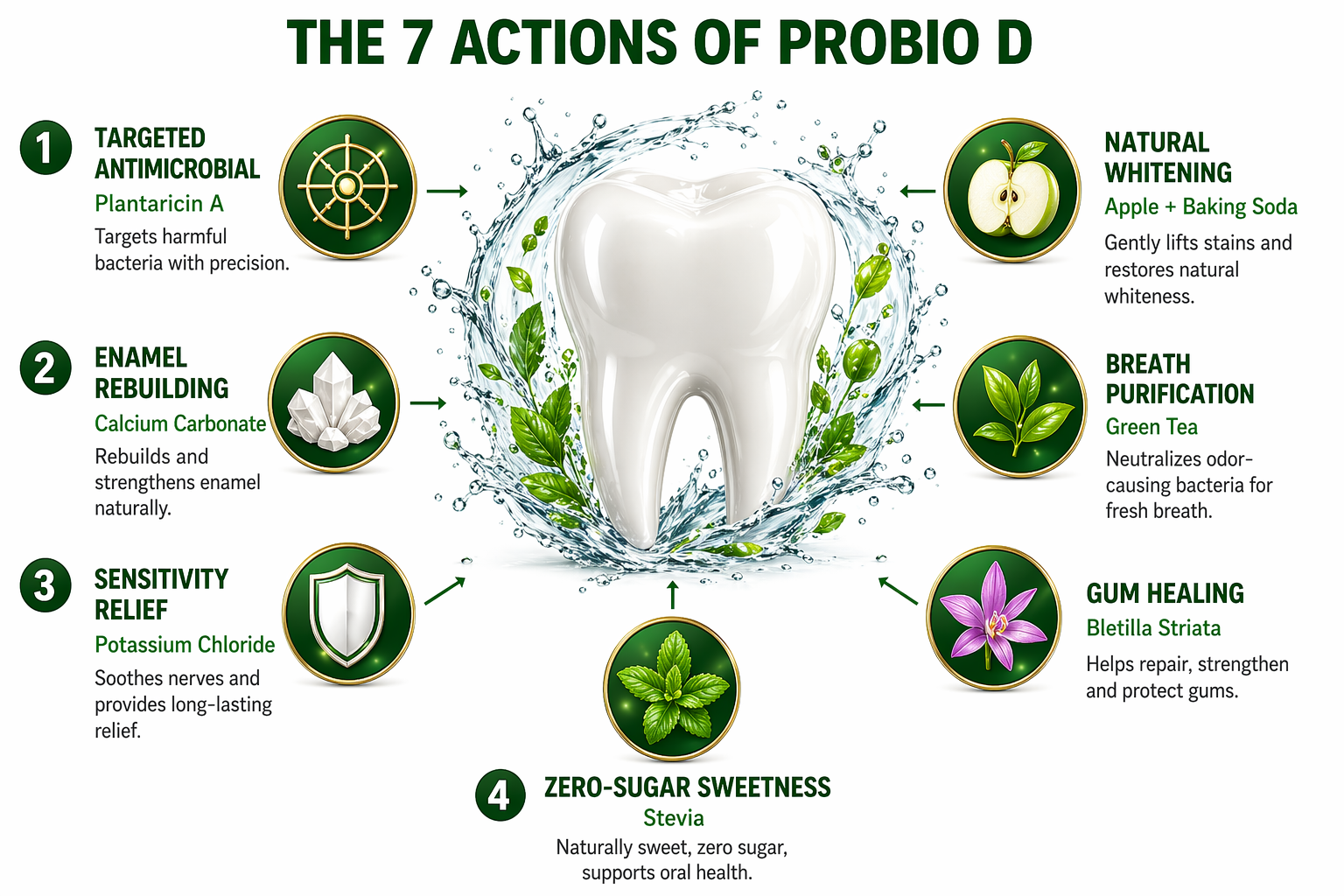
2. Reverses Enamel Demineralization: Every time you eat or drink something acidic, your enamel loses minerals. If those minerals aren't replaced, your teeth weaken, sensitize, and eventually decay. ProBio D's calcium carbonate works as both a gentle polish AND a calcium source — actively redepositing minerals back into the microscopic surface defects of your enamel. Your teeth literally rebuild themselves with every brush.
3. Destroys Biofilm Before it Becomes Plaque: Plaque doesn't just appear — it grows. It starts as a microscopic biofilm, a slimy fortress that bacteria build to protect themselves from your toothbrush. Once that biofilm matures, ordinary toothpaste can't penetrate it. Plantaricin A inhibits biofilm formation at the source — preventing the protective shield from ever forming, which means plaque has nowhere to anchor and tartar can't take root.
4. Crushes Bad Breath at its Biological Root: The vast majority of bad breath comes from volatile sulfur compounds (VSCs) produced by anaerobic bacteria deep in your tongue and gum pockets. Mint flavoring masks these compounds for an hour. Green tea catechins NEUTRALIZE them. The polyphenols in Camellia Sinensis chemically deactivate VSCs while suppressing the bacteria that produce them — delivering all-day freshness instead of a 60-minute mint disguise.
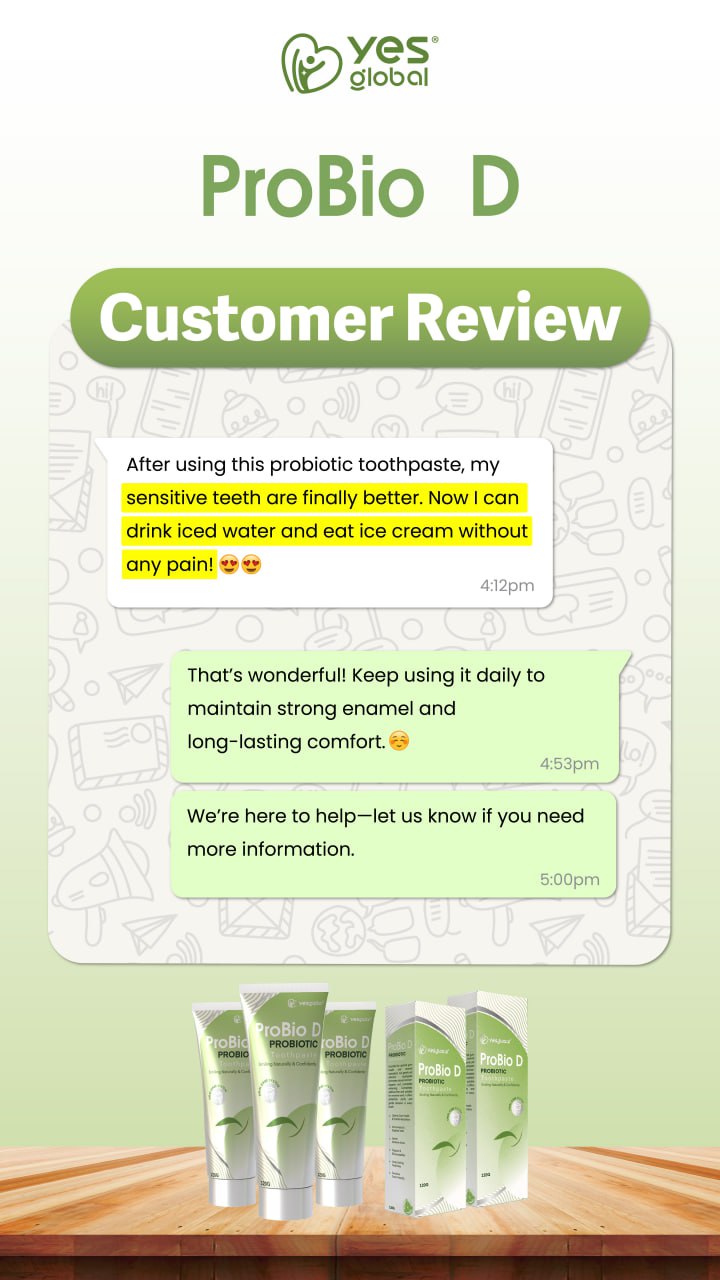
5. Stops Tooth Sensitivity Dead in its Track: Sharp pain from cold drinks, hot coffee, or sweet foods isn't normal — it's a signal that your dentin is exposed. Potassium chloride works exactly like prescription desensitizing toothpastes (Sensodyne, Colgate Sensitive): the potassium ions calm the nerves inside your teeth, blocking the pain signals before they reach your brain. With consistent use, your sensitivity doesn't just dull — it disappears.
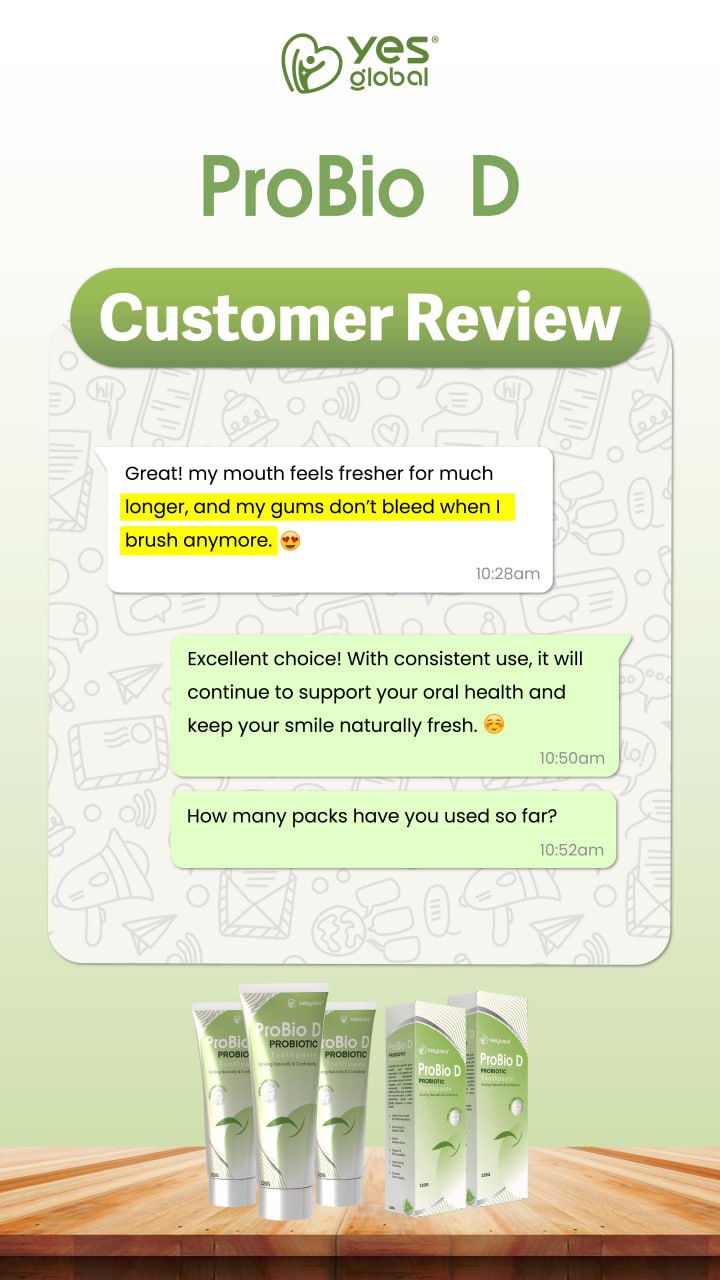
6. Regenerates Inflamed, Bleeding Gums: Bletilla Striata — a Chinese orchid root used in traditional medicine for over 1,500 years — is one of nature's most powerful tissue-healing botanicals. Its bletilla polysaccharides accelerate the repair of damaged mucous membranes, reduce inflammation, and seal bleeding gum tissue. Within weeks, gums that bled when you flossed start looking firm, pink, and tightly attached to your teeth again.
7. Safe For Every Member of Your Family — Including The Sensitive Ones: No SLS (the harsh detergent that triggers canker sores in millions of people). No parabens. No artificial sweeteners that disrupt your gut microbiome when accidentally swallowed. Stevia delivers the pleasant sweetness without feeding cavity-causing bacteria. Pregnancy-safe. Kid-safe. Sensitive-mouth-safe. The entire household uses one tube.
Why Choose ProBio D?
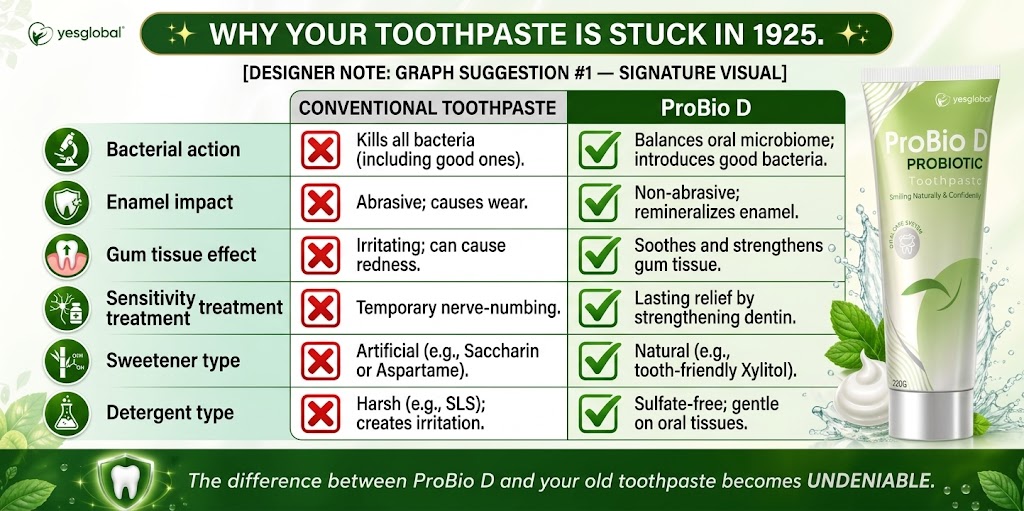
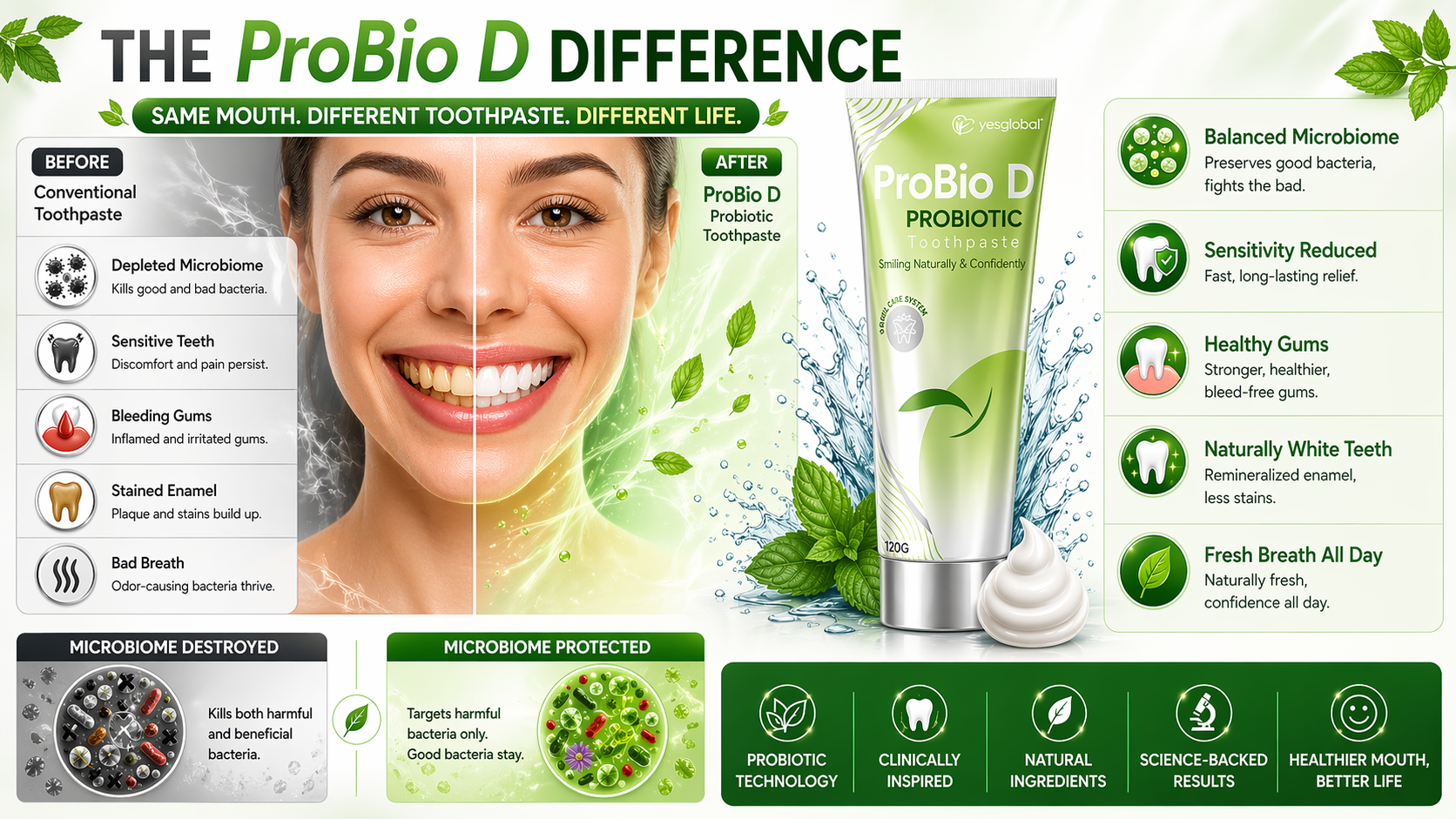
Take a hard look at the toothpaste industry. For 100 years, they've sold you the same formula: synthetic detergents to make foam, fluoride for cavity protection, harsh abrasives for whitening, and artificial flavorings to mask the chemical taste. The result? America still has a periodontal disease epidemic. Sensitivity is at record highs. Whitening products are stripping enamel. And most "natural" alternatives are weak — full of feel-good marketing but missing the biological firepower to actually fight oral disease.
ProBio D operates on a completely different paradigm.
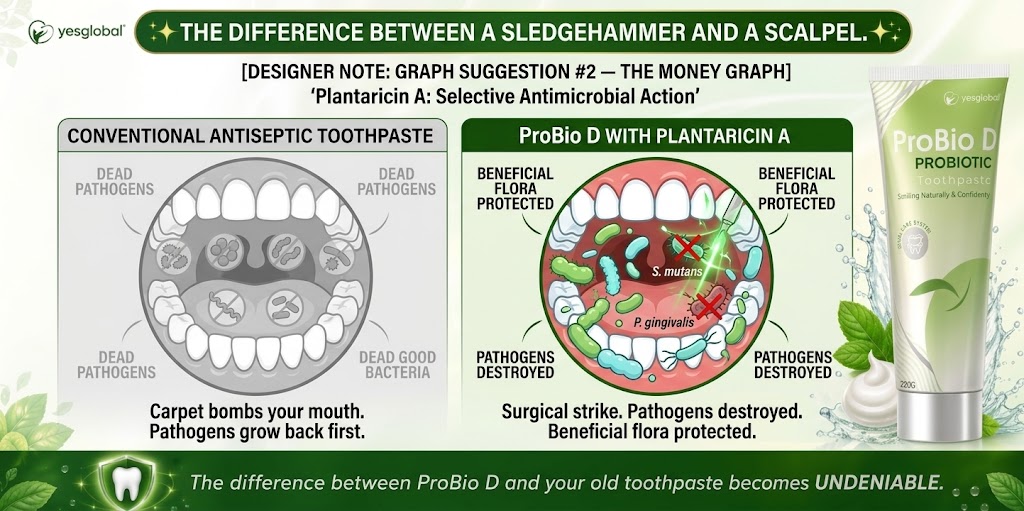
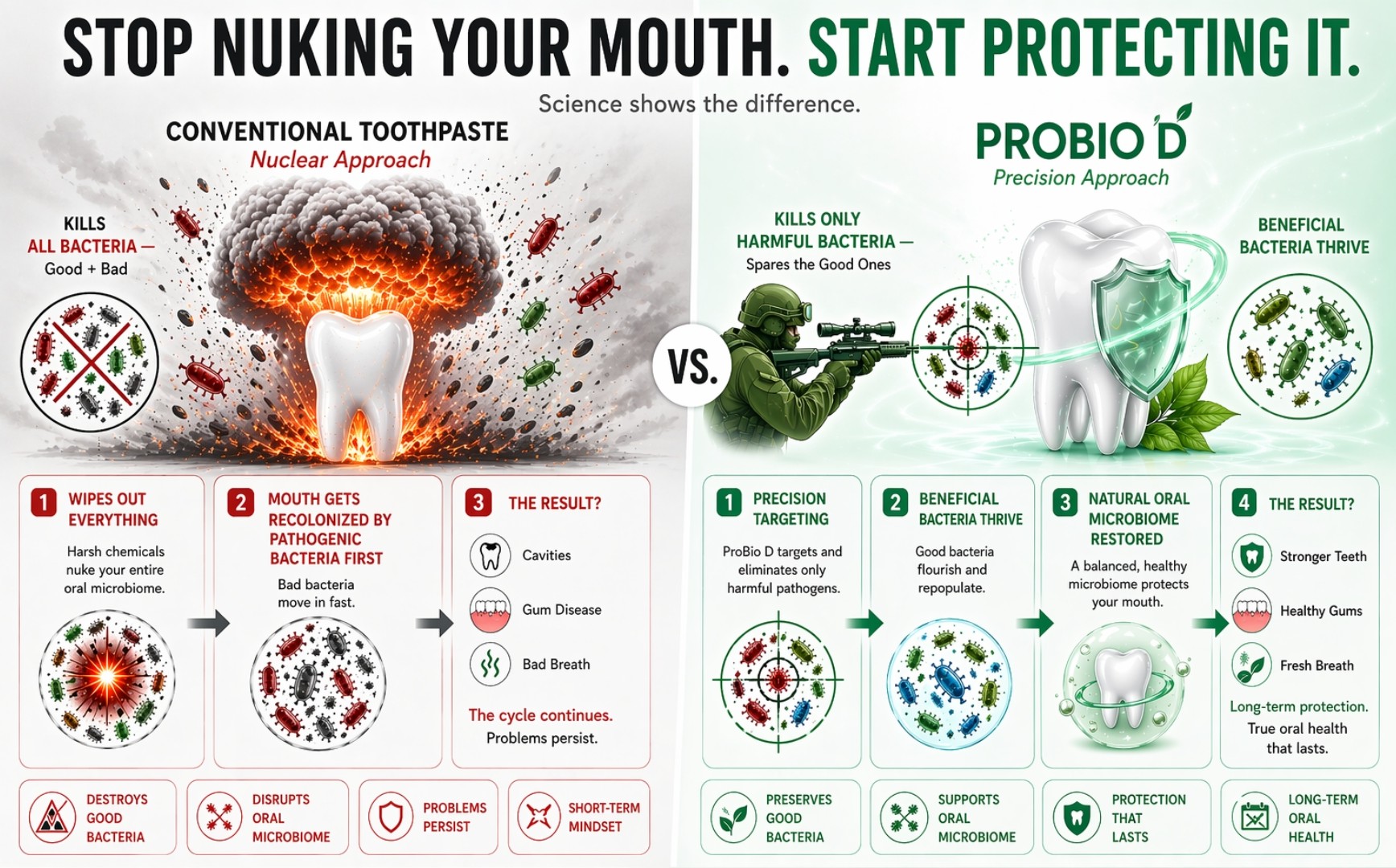
Instead of nuking your oral microbiome with broad-spectrum chemical disinfectants, ProBio D uses Plantaricin A — a precision-targeted antimicrobial peptide produced by Lactiplantibacillus plantarum, a probiotic bacterium found in fermented foods. Plantaricin A surgically destroys the harmful bacteria that cause cavities, gum disease, and bad breath while leaving your beneficial flora intact. This is the future of oral care: probiotic warfare, not chemical carpet-bombing.
Layered on top of Plantaricin A is a botanical arsenal that reads like a who's who of nature's most studied healing compounds. Bletilla Striata for tissue regeneration. Camellia Sinensis (green tea EGCG) for antimicrobial and antioxidant defense. Malus Pumila (apple stem cell extract) for polyphenol-driven anti-inflammation. Combined with calcium carbonate for active enamel remineralization, potassium chloride for clinical-grade sensitivity relief, and stevia for natural sweetness without cavities — every single ingredient earns its place in the formula.
No SLS. No parabens. No artificial dyes. No synthetic sweeteners. No harsh whitening peroxides. Nothing your dentist would warn you about.
This is what oral care looks like when you build it from biology up — not from marketing down.
Main Ingredients in ColonGuard
Plantaricin A
Malus Pumila Extract

Sodium Bicarbonate
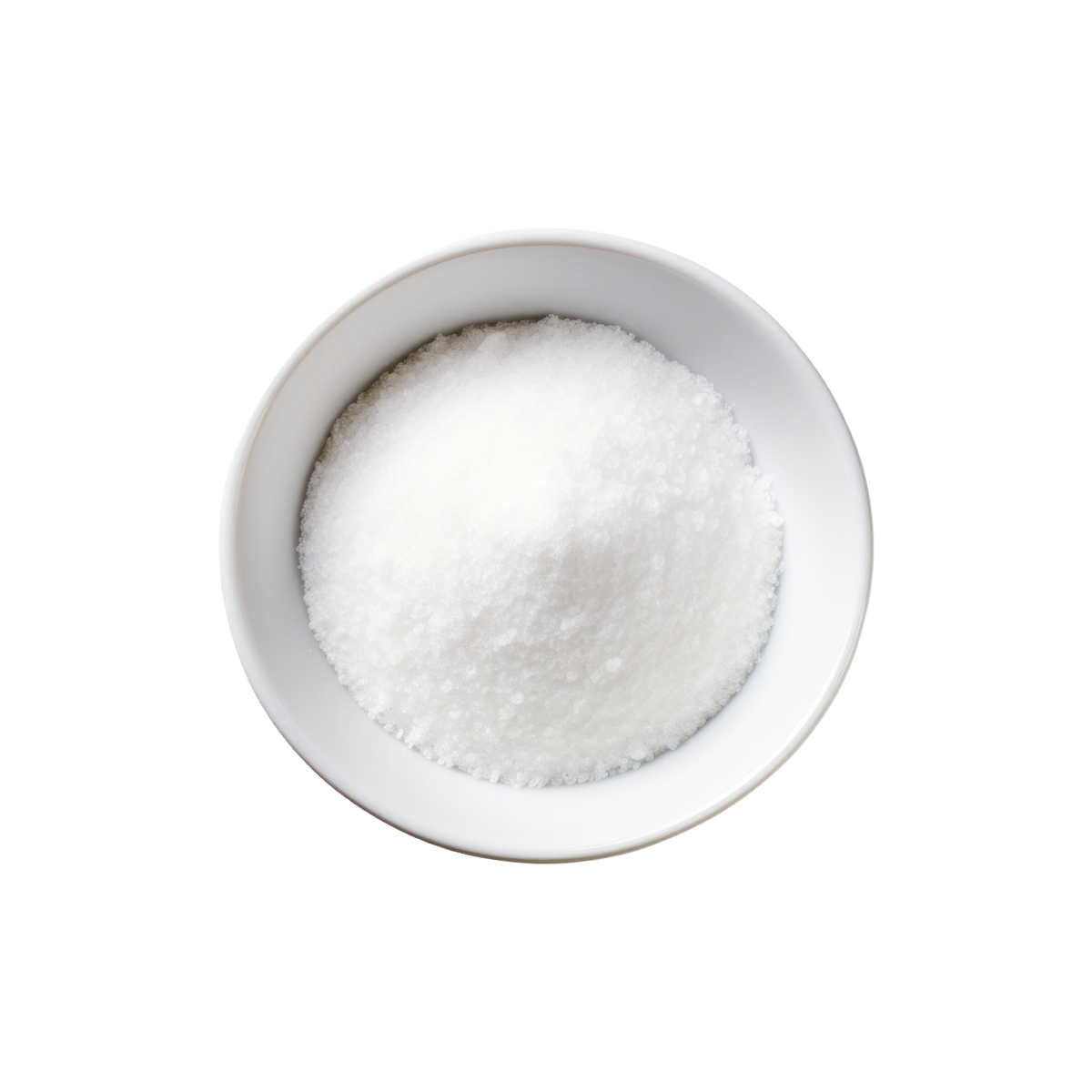
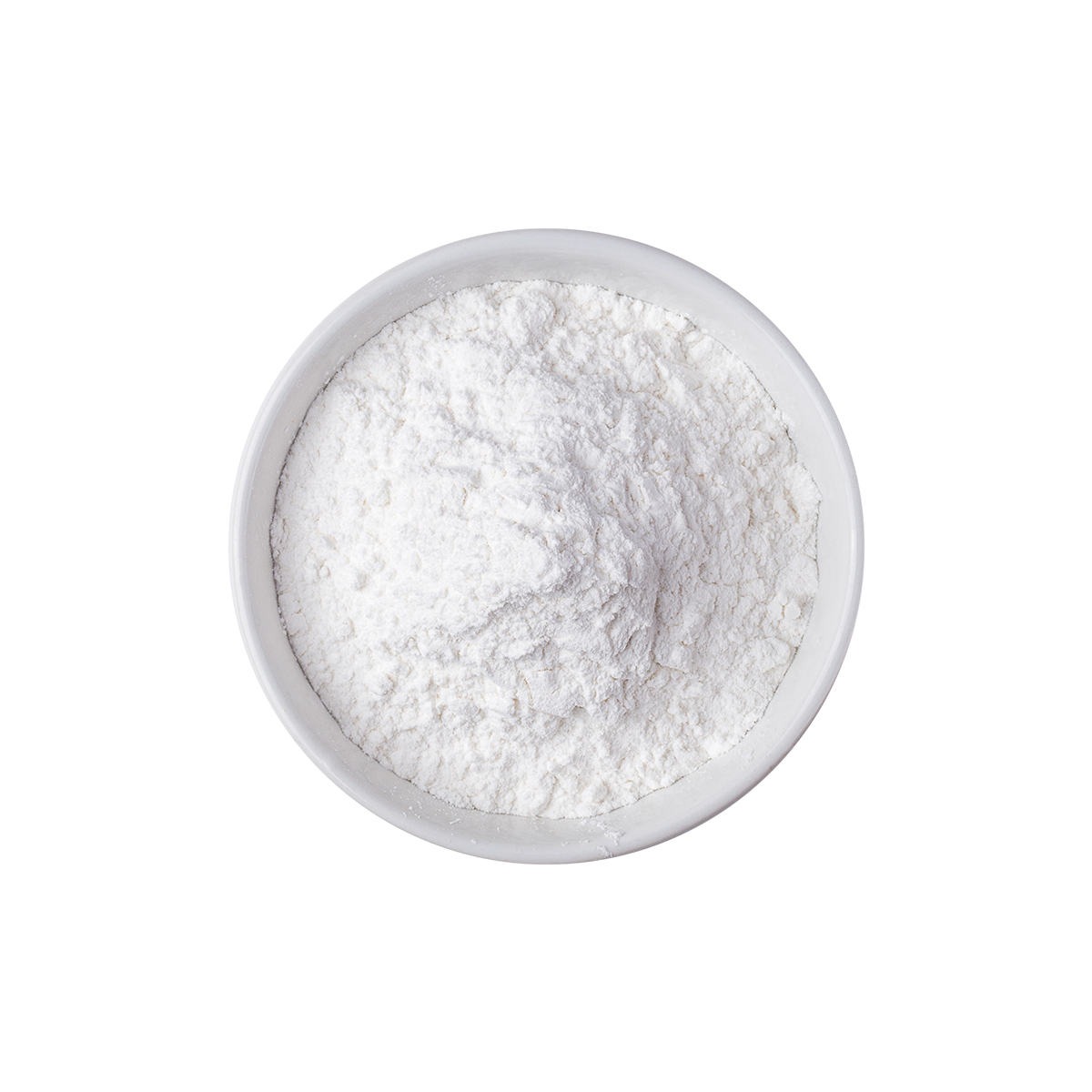
Calcium Bicarbonate
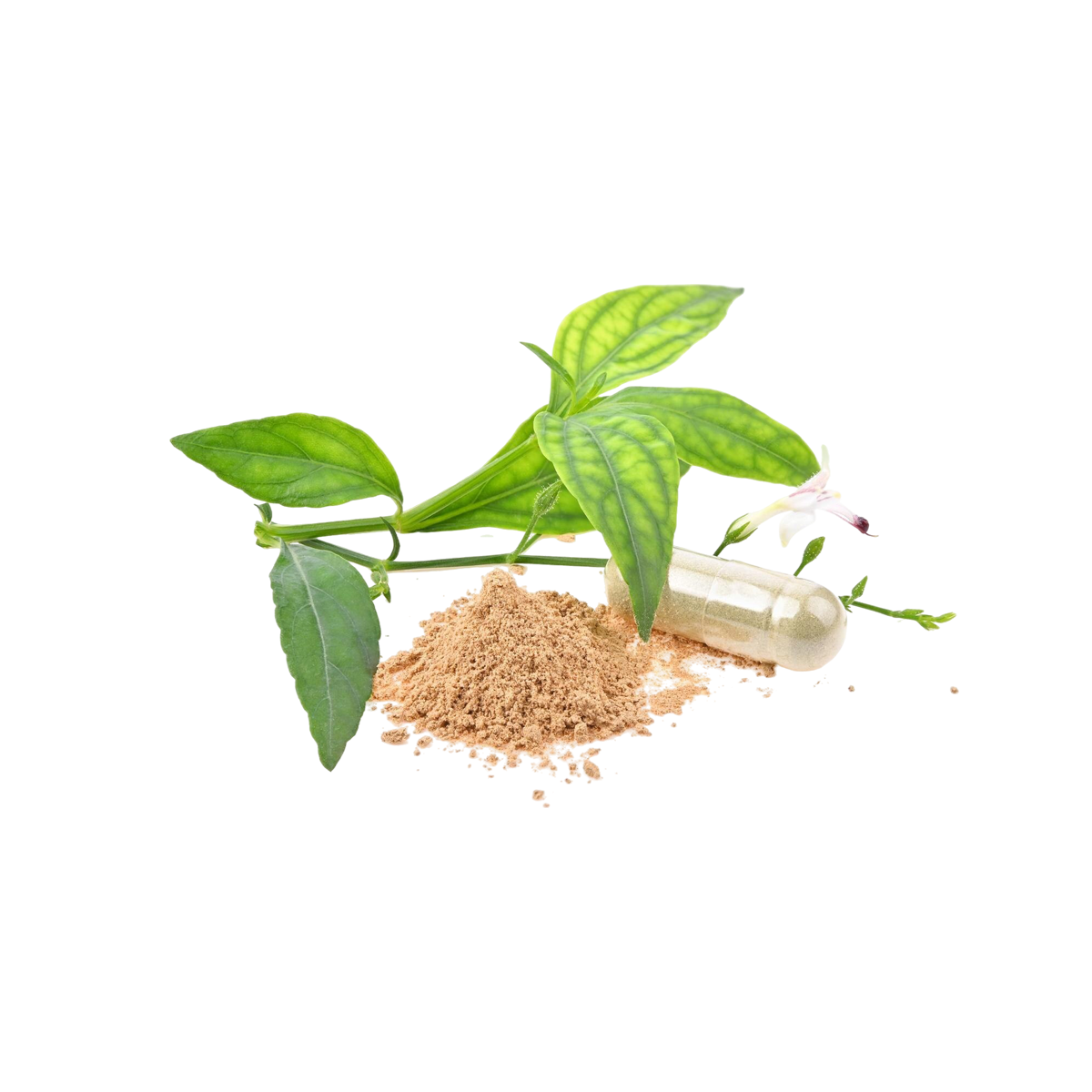
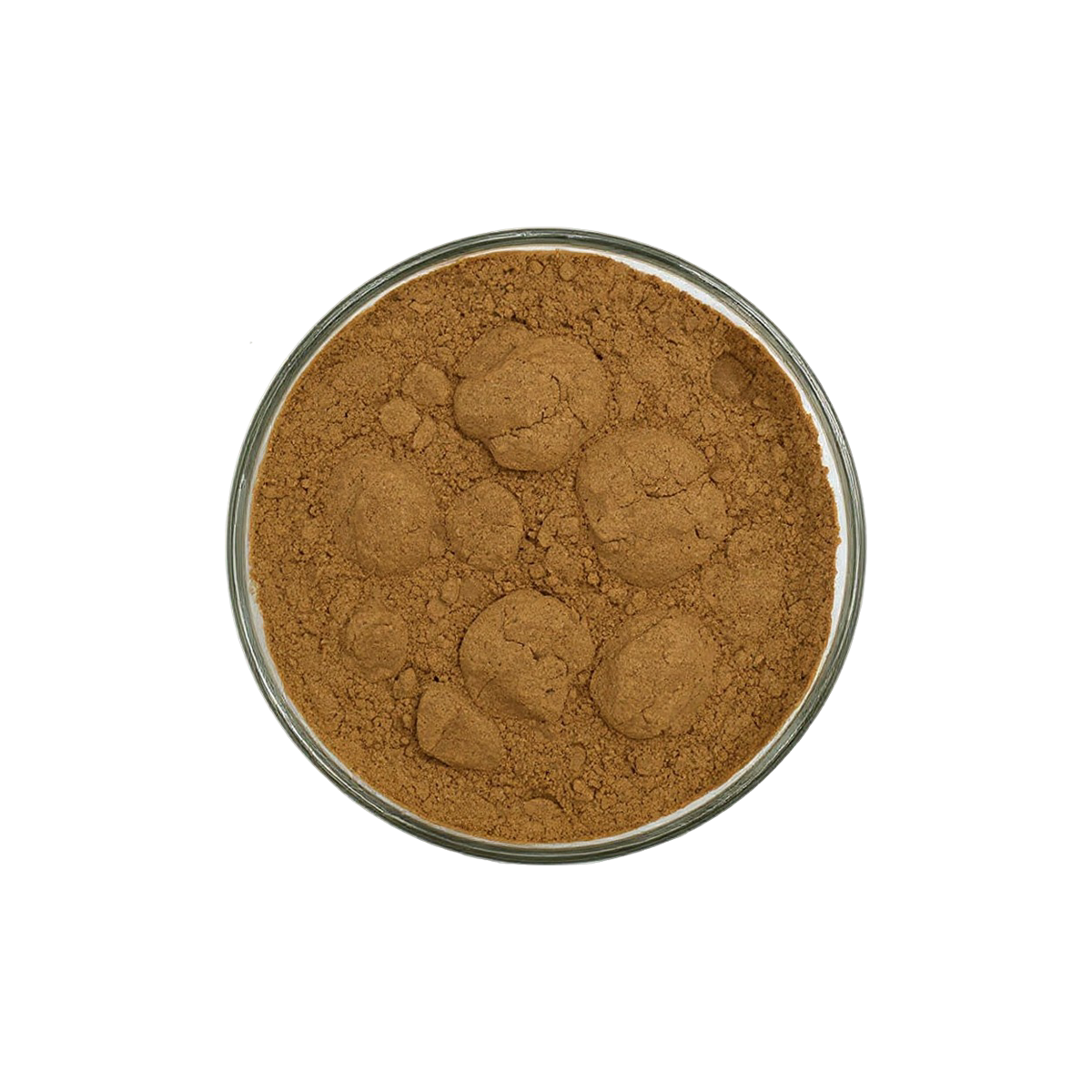
Bletilla Striata Extract
The Full Ingredient Deep-Dive
9 Ingredients. Zero Filler. Each One A Weapon Against Oral Disease.
Plantaricin A - The Probiotic Antimicrobial Pepetide That Changes Everything
What it is: Plantaricin A (PlnA) is a naturally occurring antimicrobial peptide — a class of molecule called a "bacteriocin" — produced by Lactiplantibacillus plantarum, a probiotic bacterium that has been part of the human food supply for thousands of years through fermented foods like sauerkraut, kimchi, sourdough, and pickled vegetables. While most antimicrobial agents in toothpaste are synthetic chemicals or harsh disinfectants, Plantaricin A is something fundamentally different: a biologically intelligent molecule that probiotic bacteria evolved over millions of years specifically to outcompete harmful bacteria.
What it does to your body: Plantaricin A operates through a mechanism that conventional antiseptics simply cannot match. It selectively binds to the cell membranes of harmful oral bacteria — particularly Streptococcus mutans (the primary architect of dental cavities) and Porphyromonas gingivalis (the primary driver of periodontal disease) — and disrupts their membrane integrity, killing them on contact. But here's the elegant part: PlnA leaves beneficial oral flora untouched. Your friendly bacteria flourish. Your hostile bacteria collapse. The result is a rebalanced oral microbiome where the "good guys" outcompete the "bad guys" naturally — instead of a chemically scorched mouth where everything dies and the most aggressive pathogens come back first.
The clinical proof:
Research published in 2021 (Lin et al., Research Square) studied Plantaricin 149
— a closely related plantaricin variant and demonstrated:
— Potent antibacterial activity against peri-implantitis pathogens (the bacteria that destroy dental implants)
— Significant biofilm inhibition, preventing pathogenic bacteria from forming the protective fortresses that make them resistant to brushing and conventional antimicrobials
— Membrane-permeabilizing action that makes resistance development extremely difficult, unlike traditional antibiotics
A separate 2019 study published in AMB Express (De Giani et al.) on Plantaricin P1053 — another related plantaricin compound from L. plantarum — demonstrated something even more remarkable: the compound exhibited selective cytotoxicity toward cancerous cells while simultaneously enhancing the viability of healthy cells by modulating EGFR signaling pathways. EGFR signaling is also implicated in oral squamous cell carcinoma — meaning that incorporating PlnA into daily oral care may offer not only antimicrobial benefits but a novel layer of oral cancer protection.
The crazy fact: Plantaricin A and its related peptides come from the same family of molecules that some food scientists are now investigating as next-generation natural preservatives — molecules so effective at killing harmful bacteria that they're being studied as potential alternatives to synthetic antibiotics in an era of rising antibiotic resistance. L. plantarum, the source organism, has been classified by EFSA (European Food Safety Authority) as having Qualified Presumption of Safety status — meaning humans have safely consumed this bacterium for so long that regulators consider it inherently safe. The molecular weapon that probiotic bacteria use to fight off pathogens in your gut and your fermented foods is now defending your teeth and gums every time you brush.
2. Bletilla Striata Extract - The 1,500-Year Old Chinese Healing Orchid
What it is: Extract from the tuber of Bletilla striata, a hardy purple-flowered orchid native to China, Japan, and Korea. In Traditional Chinese Medicine, where it's known as "Bai Ji" (白及), Bletilla has been used for over 1,500 years as a premier healing herb for wounds, hemorrhages, ulcers, and inflamed mucous membranes. It's documented in the Shen Nong Ben Cao Jing — one of the foundational texts of Chinese pharmacology, dating back to the Han Dynasty.
What it does to your body: Bletilla striata is rich in bletilla polysaccharides — a group of complex carbohydrates that form a thin, protective gel-like film over inflamed or damaged tissue. In your mouth, this means: when your gums are inflamed, swollen, or bleeding from periodontal stress, Bletilla polysaccharides physically coat and seal the damaged tissue while simultaneously delivering anti-inflammatory and tissue-regenerating compounds to the cells beneath. Modern pharmacological research has confirmed that Bletilla extracts possess hemostatic (bleeding-stopping), wound-healing, and antimicrobial properties — exactly the trifecta you need for inflamed, bleeding gums.
The crazy fact: Bletilla striata is so effective at stopping bleeding that traditional Chinese physicians used it for centuries to treat internal hemorrhages, ulcers, and battle wounds — and modern pharmaceutical researchers are now studying Bletilla polysaccharides as the basis for next-generation surgical hemostats and tissue scaffolds. A flowering orchid that ancient Chinese healers used to stop battle wounds from bleeding — now working on your gums every time you brush. Few toothpastes on the market contain it. ProBio D made it core to the formula.
3. Malus Pumila (Apple) Extract - The Polyphenol Powerhouse
What it is: A concentrated extract derived from the peel and pulp of Malus pumila — the common apple tree. Apples have been cultivated for over 4,000 years, and modern phytochemistry has revealed why "an apple a day" became universal folk wisdom: apple extracts are extraordinarily rich in polyphenols, including phloretin, chlorogenic acid, catechins, and quercetin — a quartet of bioactive compounds with potent antioxidant, anti-inflammatory, and antimicrobial activities.
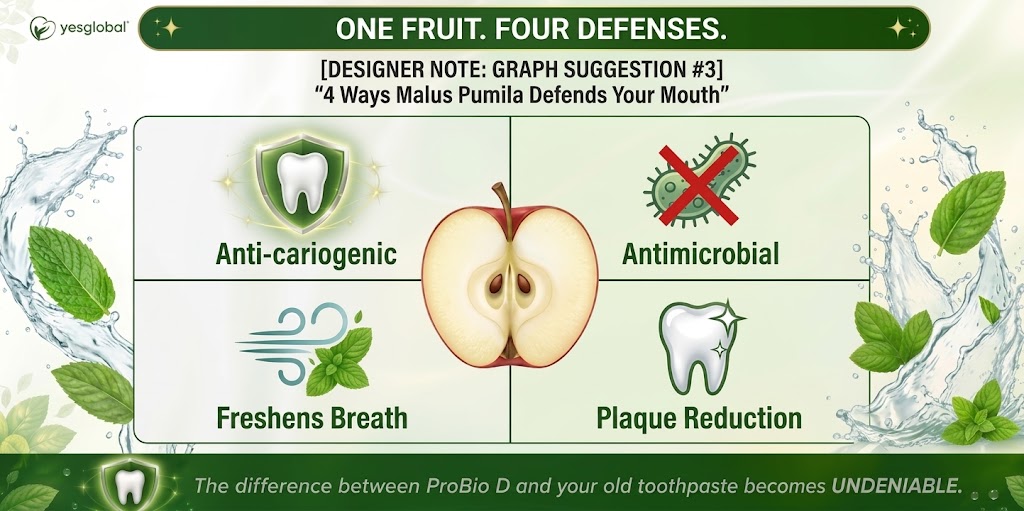
What it does to your body: In your oral environment, Malus Pumila extract delivers four simultaneous benefits.
(1) Anti-cariogenic activity: Its polyphenols inhibit the metabolism of cavity-causing bacteria, particularly Streptococcus mutans, reducing acid production at the source.
(2) Antimicrobial action: Phloretin and quercetin disrupt bacterial cell membranes and inhibit pathogen colonization on tooth surfaces.
(3) Breath freshening: Apple polyphenols neutralize volatile sulfur compounds — the molecules that cause bad breath — while suppressing the bacteria that produce them.
(4) Plaque reduction: By interfering with bacterial adhesion to enamel, apple extract physically prevents plaque from anchoring to your teeth in the first place.
The crazy fact: The same polyphenol family that makes red apples turn brown when you cut them open (a process called enzymatic oxidation) is what makes apple extract such a potent oxidative defense system inside your mouth. The compound that causes the visible browning isn't a flaw — it's the apple's own antioxidant defense system being released. ProBio D harnesses that same defense system and deploys it against the oxidative damage that ages your gums and stains your teeth.
4. Camellia Sinensis (Green Tea Leaf Extract) - The Liquid Antioxidant Made Solid
What it is: Extract from the unfermented leaves of Camellia sinensis — the same plant that produces green, black, white, and oolong tea. Green tea has been consumed in East Asia for over 4,000 years, and modern science has identified the source of its legendary health benefits: a class of polyphenols called catechins, with epigallocatechin gallate (EGCG) being the most potent. EGCG is now one of the most extensively studied natural compounds in modern nutrition science, with thousands of peer-reviewed papers documenting its effects.
What it does to your body: In your mouth, green tea catechins wage a multi-front war on oral disease. EGCG directly inhibits the growth and acid production of Streptococcus mutans — the primary cavity-causing bacterium. Catechins simultaneously suppress the bacteria responsible for bad breath while chemically neutralizing the volatile sulfur compounds those bacteria produce — meaning ProBio D doesn't mask bad breath, it eliminates the molecular source. Green tea polyphenols also reduce gum inflammation, scavenge free radicals that damage gum tissue, and strengthen the antioxidant defense layer that protects your enamel from oxidative wear.
The crazy fact: Studies have shown that regular green tea consumption is associated with measurably lower rates of periodontal disease, tooth loss, and oral cancer in populations across Asia. Researchers now consider EGCG one of the most promising natural compounds in dental therapy. ProBio D delivers concentrated green tea catechin power directly to your teeth and gums every time you brush — no need to drink 10 cups of tea a day to get the benefit.
5. Sodium Bicarbonate - The Acid-Neutralizing Workhorse
What it is: Sodium bicarbonate — also known as baking soda — is one of the simplest and most studied compounds in chemistry. It has been used in oral care for over 150 years, and its mechanism is so effective that even modern dental researchers continue to publish studies confirming its benefits.
What it does to your body: Sodium bicarbonate is alkaline. The moment it enters your mouth, it raises the pH — neutralizing the acidic environment that bacteria thrive in and that dissolves your enamel. Cavities form when oral pH drops below 5.5. Sodium bicarbonate pushes pH back into the safe range, halting demineralization in real time. It also provides extremely gentle physical cleaning action, lifting stains and debris without scratching enamel — and it has natural antibacterial activity that further suppresses the growth of acid-producing pathogens.
The crazy fact: A 2017 systematic review in the Journal of the American Dental Association analyzed multiple clinical studies and concluded that sodium bicarbonate-based toothpastes were measurably more effective at plaque removal than non-bicarbonate alternatives. A compound your grandmother had in her pantry for baking — outperforming high-tech "advanced cleaning" formulas in head-to-head clinical trials. Sometimes the oldest tools really are the sharpest.
6. Calcium Carbonate - The Enamel Rebuilder
What it is: Calcium carbonate is the same mineral compound that forms eggshells, seashells, coral reefs, and the white cliffs of Dover. In oral care, it functions as both a mild polishing agent AND a calcium source — making it one of the few ingredients that simultaneously cleans your teeth and feeds them.
The crazy fact: Hydroxyapatite — the mineral your enamel is made of — is one of the hardest biological materials on Earth. It's harder than steel by some measures. But it's also constantly under attack from acid every single day. The reason most people lose enamel as they age isn't because their teeth are weak — it's because they're not actively replenishing the calcium that gets stripped during normal eating and drinking. ProBio D fixes that.
7. Hydrated Silica - The Stain Lifter That Doesn't Scratch
What it is: Hydrated silica is a mild, food-grade silicon-based abrasive specifically engineered for dental use. It is the most common abrasive in modern toothpaste formulations because of one critical property: it's hard enough to remove surface stains but soft enough that it physically cannot damage tooth enamel.
What it does to your body: Hydrated silica works through micro-mechanical action — its particles are small enough and gentle enough to lift coffee stains, tea stains, wine stains, and tobacco residue off the enamel surface without scratching the underlying mineral structure. The result is a noticeably brighter smile that develops gradually with consistent use — without the enamel-thinning damage caused by harsh whitening agents like peroxides or aggressive abrasives like charcoal.
The crazy fact: Charcoal toothpaste went viral on social media as a "natural whitening" trend — but dental researchers have repeatedly warned that activated charcoal is too abrasive for daily use and can permanently damage enamel. Hydrated silica delivers the visible whitening effect that people want from charcoal, without the long-term enamel destruction. ProBio D uses what dental scientists actually recommend, not what trends on TikTok.
8. Potassium Chloride - The Sensitivity Off-Switch
What it is: Potassium chloride is a naturally occurring mineral salt composed of potassium and chloride ions. It is the active desensitizing ingredient in clinical-grade sensitivity toothpastes — the same compound that makes Sensodyne, Colgate Sensitive, and prescription desensitizers actually work.
What it does to your body: When the protective enamel covering your teeth wears down — or when your gums recede — the underlying dentin becomes exposed. Dentin is full of microscopic tubules that transmit sensations directly to the nerve inside your tooth. Cold drinks, hot food, sweet treats, even cold air all trigger sharp, stabbing pain. Potassium ions from potassium chloride enter these dentinal tubules and chemically depolarize the nerve endings — preventing the pain signals from being transmitted to your brain. With consistent use over 2 to 4 weeks, the sensitivity doesn't just temporarily dull — it disappears entirely.
The crazy fact: Potassium chloride is the exact mechanism that makes prescription-grade desensitizing toothpastes work. Dentists have been recommending these formulas for decades — but most "natural" toothpastes leave them out, forcing sensitive patients to choose between effective sensitivity relief and clean ingredients. ProBio D refused that compromise. You get clinical-grade sensitivity treatment AND a clean ingredient list. No trade-off.
9. Stevia Rebaudiana Extract Powder - The Sweetener That Fights Cavities Instead of Causing Them
What it is: A natural extract from the leaves of the Stevia rebaudiana plant — a small herb native to South America that has been used as a natural sweetener by the Guaraní people for over 1,500 years. Stevia is up to 300 times sweeter than sugar, contains zero calories, and — critically for oral care — is completely non-cariogenic.
What it does to your body: Conventional toothpastes use saccharin, aspartame, or sorbitol to provide sweetness. These artificial sweeteners not only carry health concerns (saccharin and aspartame have been controversially linked to gut microbiome disruption when accidentally swallowed) but also fail to deliver any oral health benefit. Stevia is fundamentally different. The bacteria that cause cavities cannot metabolize stevia compounds — meaning stevia provides pleasant sweetness without feeding the pathogens that destroy your teeth. Some research even suggests stevia compounds may have mild antimicrobial activity against oral bacteria, making it a sweetener that actively contributes to a healthier oral environment.
The crazy fact: Stevia leaves are so naturally sweet that the Guaraní people called the plant "ka'a he'ê" — meaning "sweet herb" — and used it for centuries to sweeten traditional teas and medicinal preparations. Modern food science took 400 years to catch up to what indigenous South Americans figured out in their gardens. Now that same plant gives ProBio D its pleasant taste — without a single molecule of artificial sweetener.
HOW TO USE
Testimonials
The toothpaste industry has been selling you the same chemistry for 100 years. Foam from synthetic detergents. Whitening from harsh peroxides. Sweetness from saccharin. Cavity protection from a single molecule that works only on the surface.
Meanwhile, 42% of American adults still have periodontal disease. Tooth sensitivity is an epidemic. Bad breath plagues millions despite billions spent on mouthwash.
Something is broken. And it's not your teeth — it's the formula.
ProBio D rewrites the rules with Plantaricin A — a probiotic-derived antimicrobial peptide that surgically destroys cavity-causing and gum-disease-causing bacteria while protecting your beneficial oral flora. Layered over Plantaricin A is a botanical arsenal pulled from 4,000 years of healing tradition: Bletilla Striata for tissue regeneration, green tea catechins for antimicrobial defense, apple polyphenols for antioxidant protection, calcium carbonate for active enamel rebuilding, potassium chloride for clinical sensitivity relief, and stevia for sweetness without cavities.
No SLS. No parabens. No artificial sweeteners. No harsh whitening agents. No synthetic preservatives.
Just biology, working the way it's supposed to.
This is what oral care looks like when you stop fighting your mouth and start working with it.
Brush ProBio D tonight. Wake up with a different mouth tomorrow.
Power your smile. Naturally.